

After a long break, I’m back, still vibing from my unforgettable trip to Bhutan! It’s been over two months since my return, but the memories of Bhutan, especially the breathtaking Tiger’s Nest, still linger.
Arrival in Paro: The Start of an Adventure
Our journey began with stops at some charming cafes and restaurants along the way. We finally reached Paro late in the evening. After arriving at the main market, we decided to shop for the next day. Then, we enjoyed dinner and retired to our rooms. We were eagerly anticipating the adventures ahead.
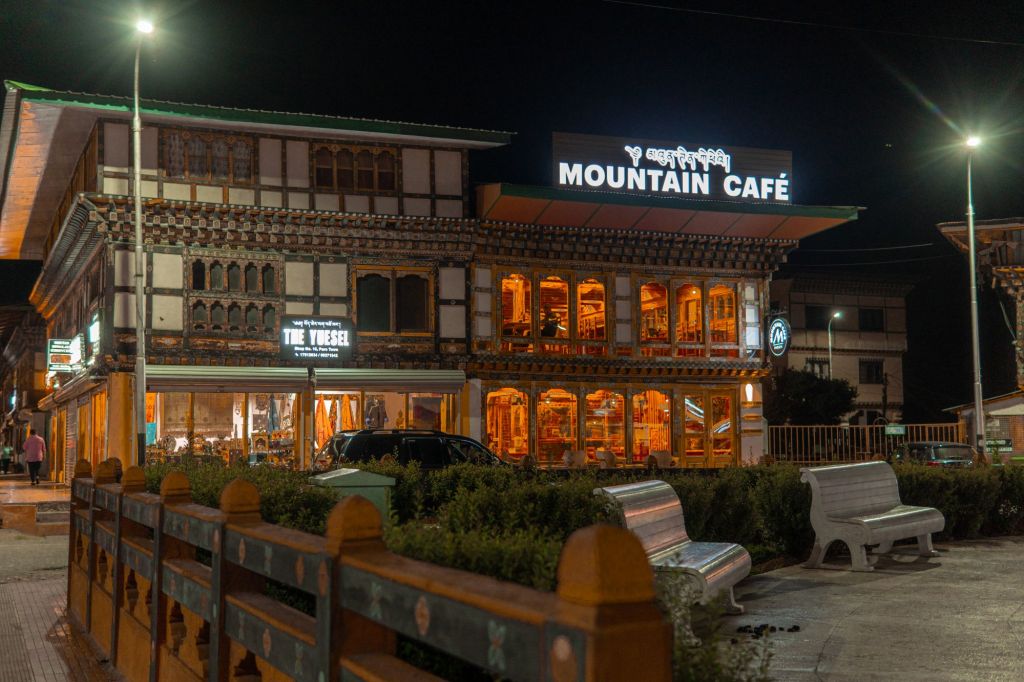
The Trek to Tiger’s Nest Bhutan
The day began early, filled with excitement and enthusiasm. But, our spirits took a slight hit. We discovered that one of our group members had fallen ill after rafting in Punakha. Our trip leader graciously stayed back to care for her (don’t worry, Guru Rinpoche will call you soon! 😊). After wishing her well, the rest of us set off on the highlight of our trip—the trek to Tiger’s Nest!
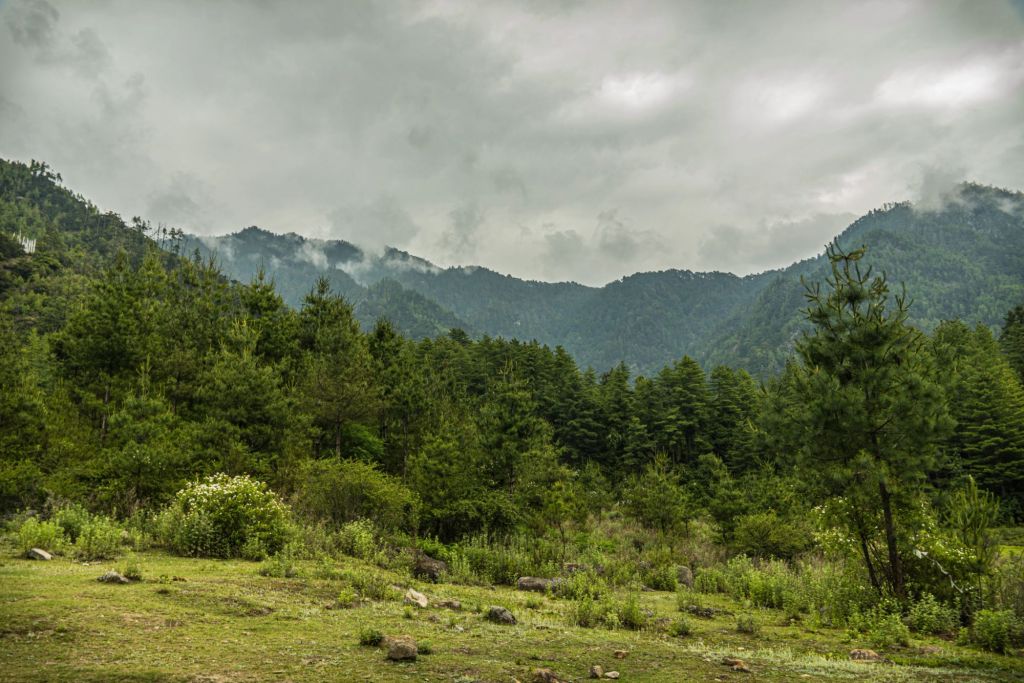
The base camp
A Brief Introduction to Tiger’s Nest (Paro Taktsang)
Tiger’s Nest, officially known as Paro Taktsang, is a sacred Vajrayana Himalayan Buddhist shrine in Paro. It is one of the 13 caves where the 2nd Buddha meditated after subduing a giant. Guru Rinpoche (also known as Padmasambhava) meditated there after subduing a giant who was troubling the locals. According to legend, this giant later became a local deity. The deity guarded the area while Guru Rinpoche meditated and achieved the eight manifestations. The monastery was first built in the 12th century. To this day, the final section of the 2 km hike remains narrow and steep. Recent installations of guards and railings help hikers. It’s astonishing to think about how the construction materials were transported back then. One wrong step, and you end up thousands of feet down in the valley.
The monks were unable to carry the Statue of Guru Rinpoche in the last section. They decided to cut it and assemble it later in the monastery. But the statue came to life and spoke out loud to keep it there. It is someone else’s responsibility to carry it. By next morning, the statue had made its way to the desired location in the monastery. So, it is said that this Buddha statue grants every wish of its believer. The stories are legendary and would take a book to narrate!
Starting the Trek: Base Camp to the Tiger’s Nest
We reached the base camp of the trek at around 8am. The trek is of Approx 7 kms on one side and opens at 6am and closes by 6pm. Govt of Bhutan charges INR 1000/person as an entry fee for the trek. One can rent sticks for INR 100/- and believe me you they are very much useful while descending. There are ponies and Pithoos (Children below age of 10 are carried on back). The Ponies cover only approx. 60% or the easier part of the trek and they charge around INR 1000-1500/person one way. It depends on your negotiating skills. Pithoos also cost the same. I personally suggest to do the trek on your own and not at the expense of others.
As we crossed the pony area, Tiger’s Nest came into view, perched majestically on the mountainside. The trek began at a prayer wheel, where holy water from a stream turned it continuously, ringing a bell. The path grew steeper. Our group naturally divided. Some were at the front, most in the middle, and a few at the back. We sang, danced, and found solitude as we ascended toward our Lakshya for the day.


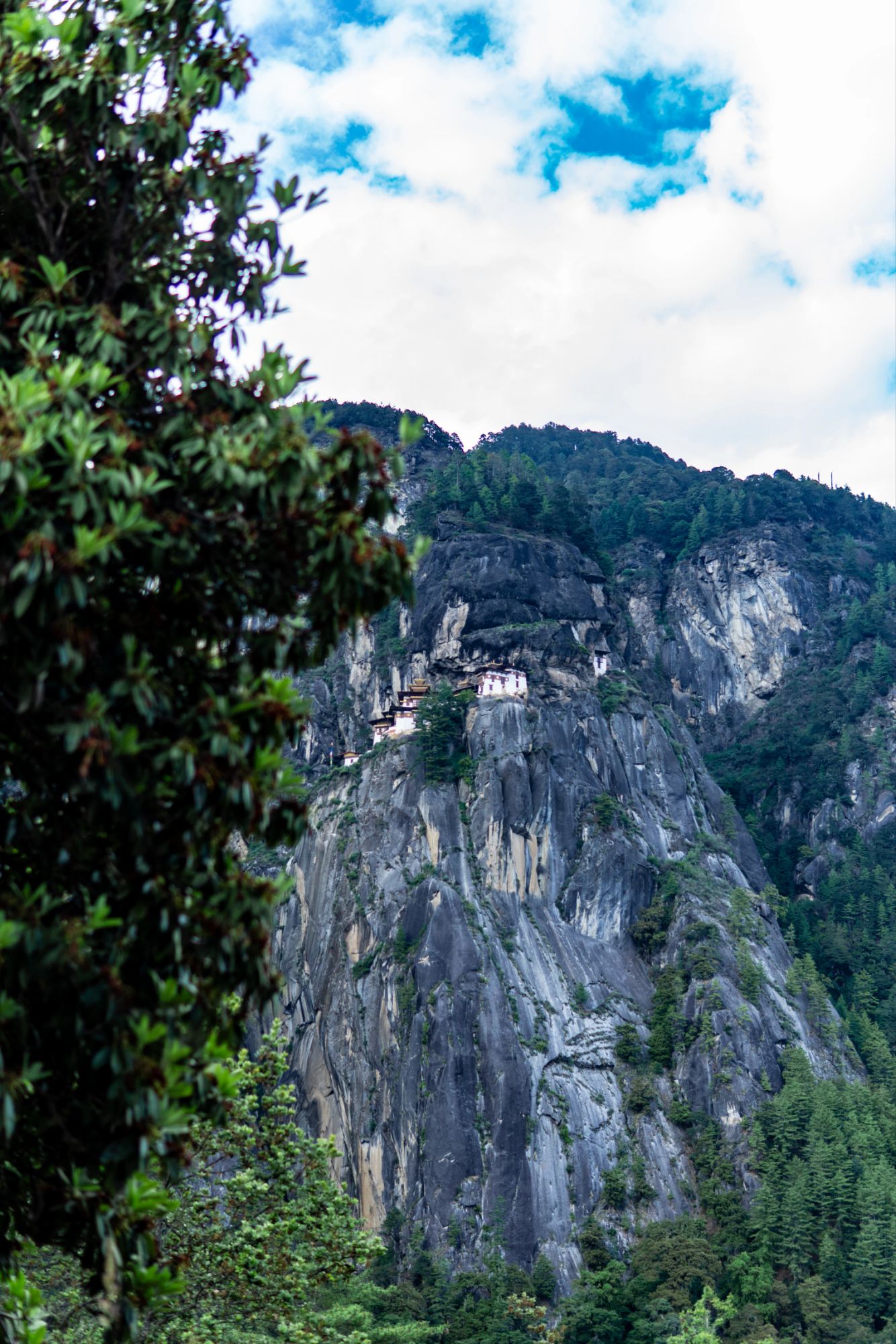
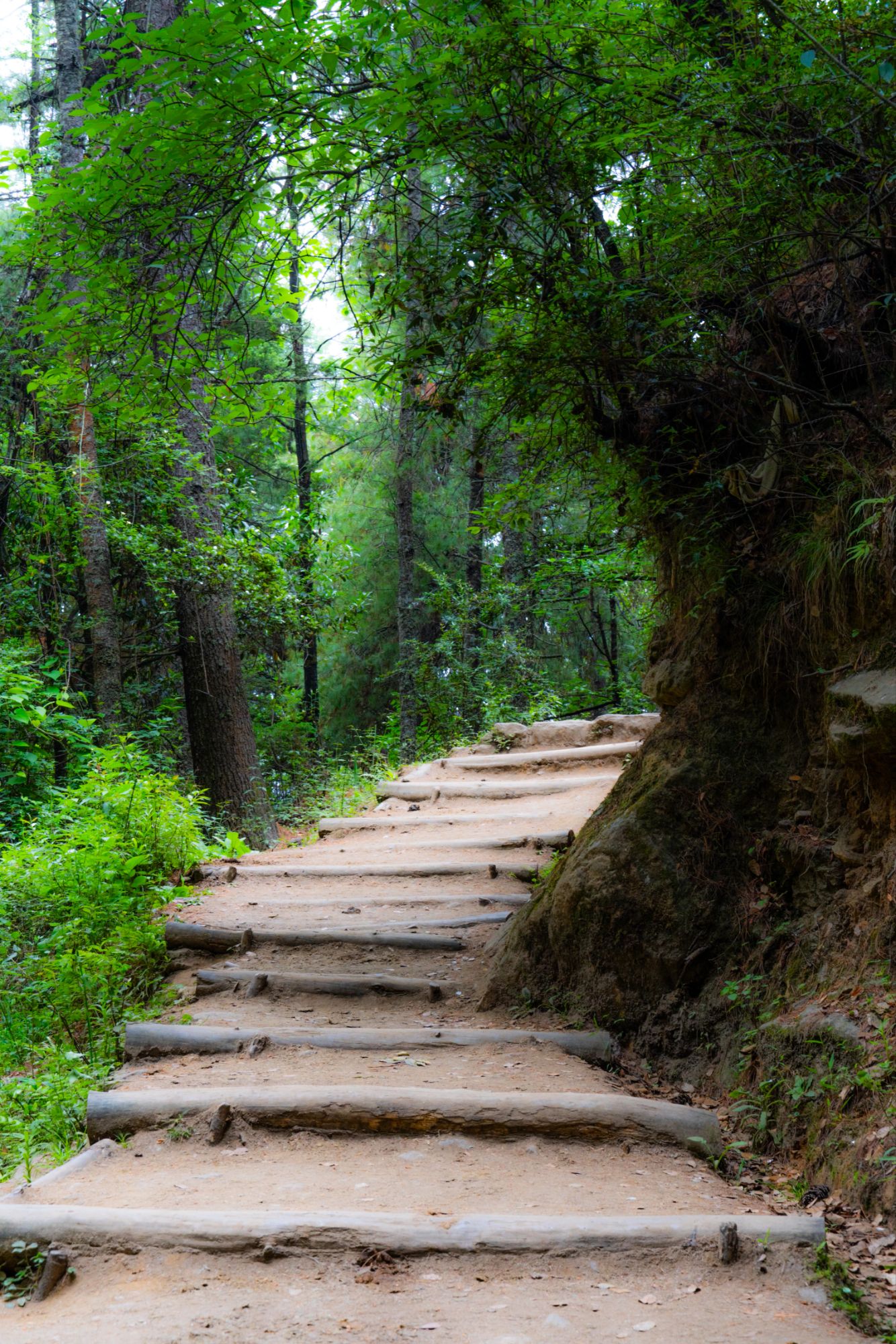
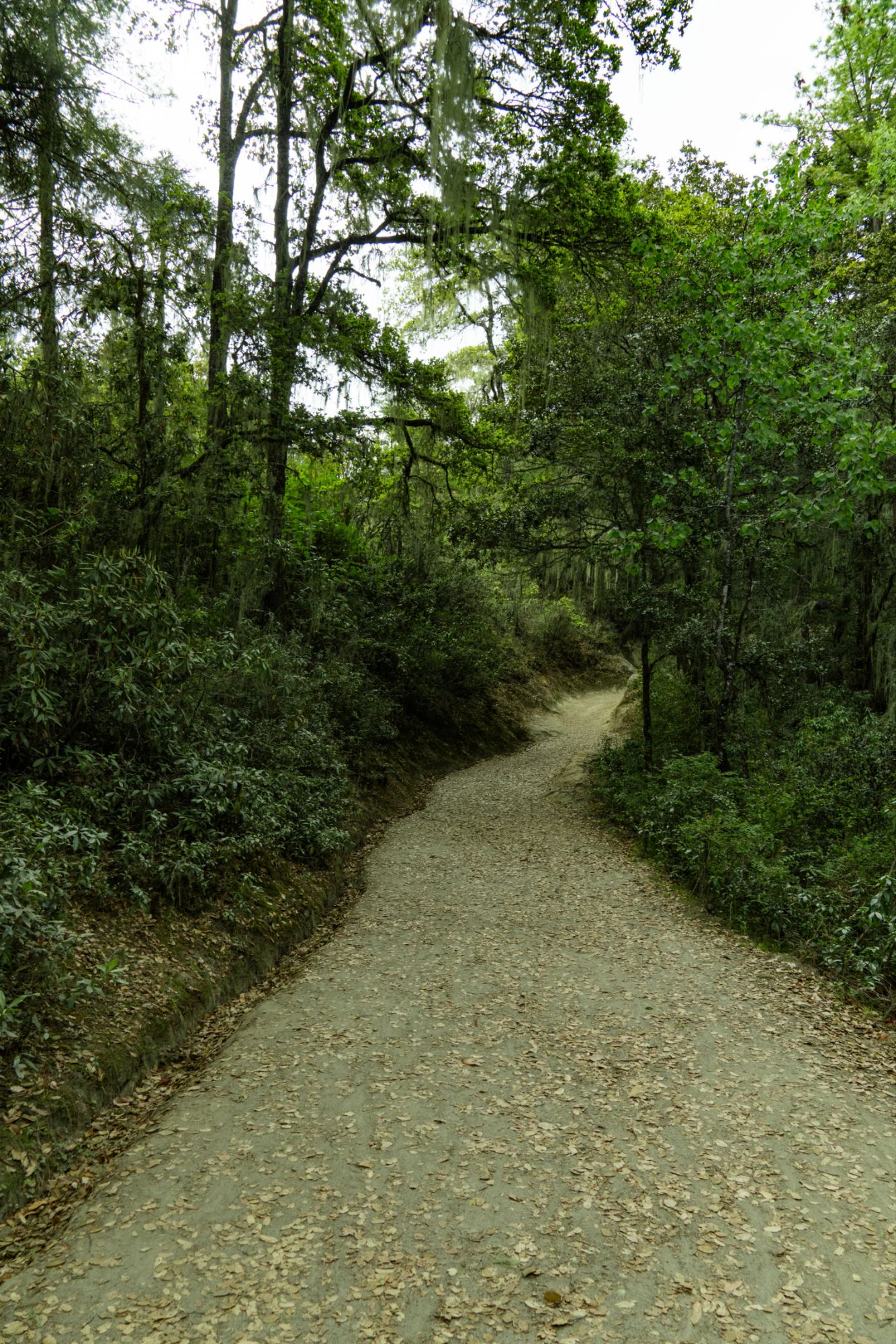
The journey begins…
Essential Tips for the Tiger’s Nest Trek
Carry essentials: Bring water bottles, snacks, and a raincoat. A café is located after 5 km, but it’s wise to have your own supplies.
Dress appropriately: Wear full-coverage clothing, including long sleeves and pants. It is a must to enter the Monastery. Proper shoes with good grip are essential, and a pullover and cap are advisable on colder days. Carry a raincoat as you never know when the weather changes in the mountains.
Health and safety: Pack emergency medication and a first-aid kit.
Reaching the Monastery: The Final Stretch
The trek was mesmerizing we ascended very quickly and the greenery around was very soothing and calming. We reached the Café in 2.5 hours and ended up spending almost an hour there resting, eating and taking pictures. The café offers majestic views of the monastery. However, it is nothing compared to the view we witnessed sometime later at the view point. After all the photo and reel session it was time to move on. The next km is relatively easy until you reach the end of the mountain and it is where the two most beautiful views are! One, of the monastery and the other of the 1000 odd steps each of almost one foot or more in length. I reached the view point and called up my family to show the view and then to Vibhuti who had missed the trek. The moment I came to reality after being flabbergasted by the view was, I have to climb back all these steps while coming back! I started my descent over the steps and the stick definitely helps you to avoid jerking your knees while getting down the huge steps. Half way there is a wonderful waterfalls and more wonderful steps which you have to climb to reach the monastery.

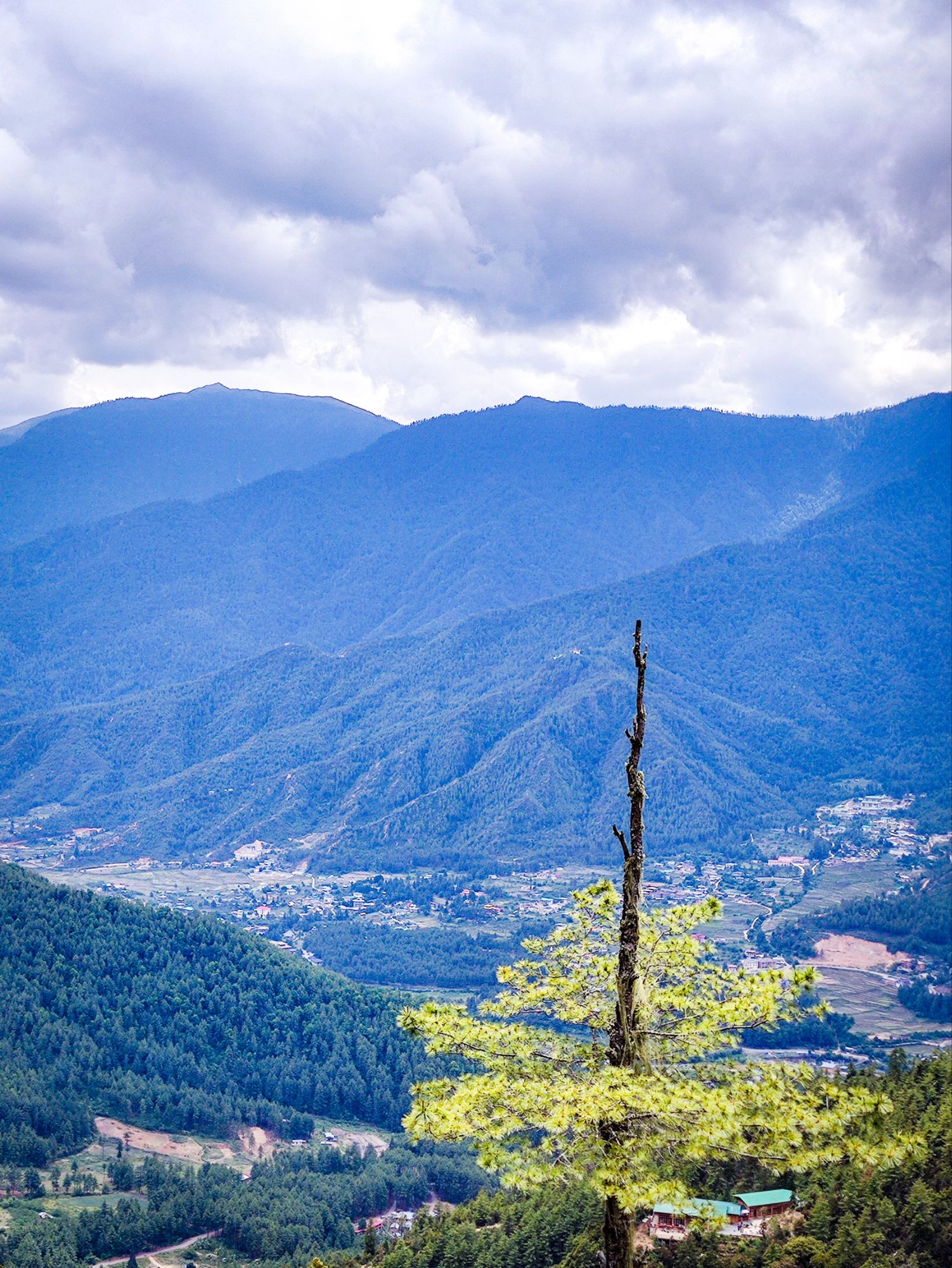

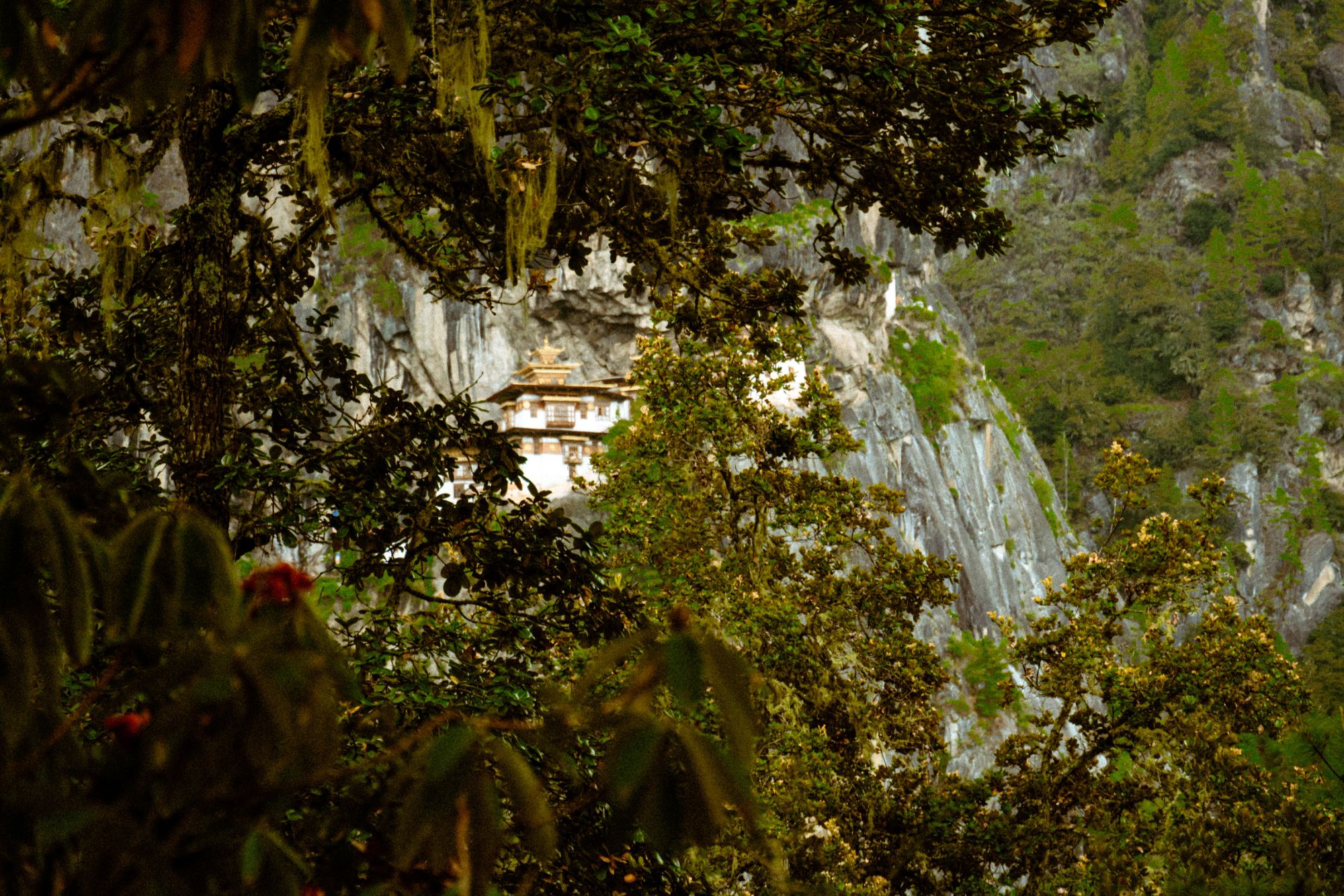
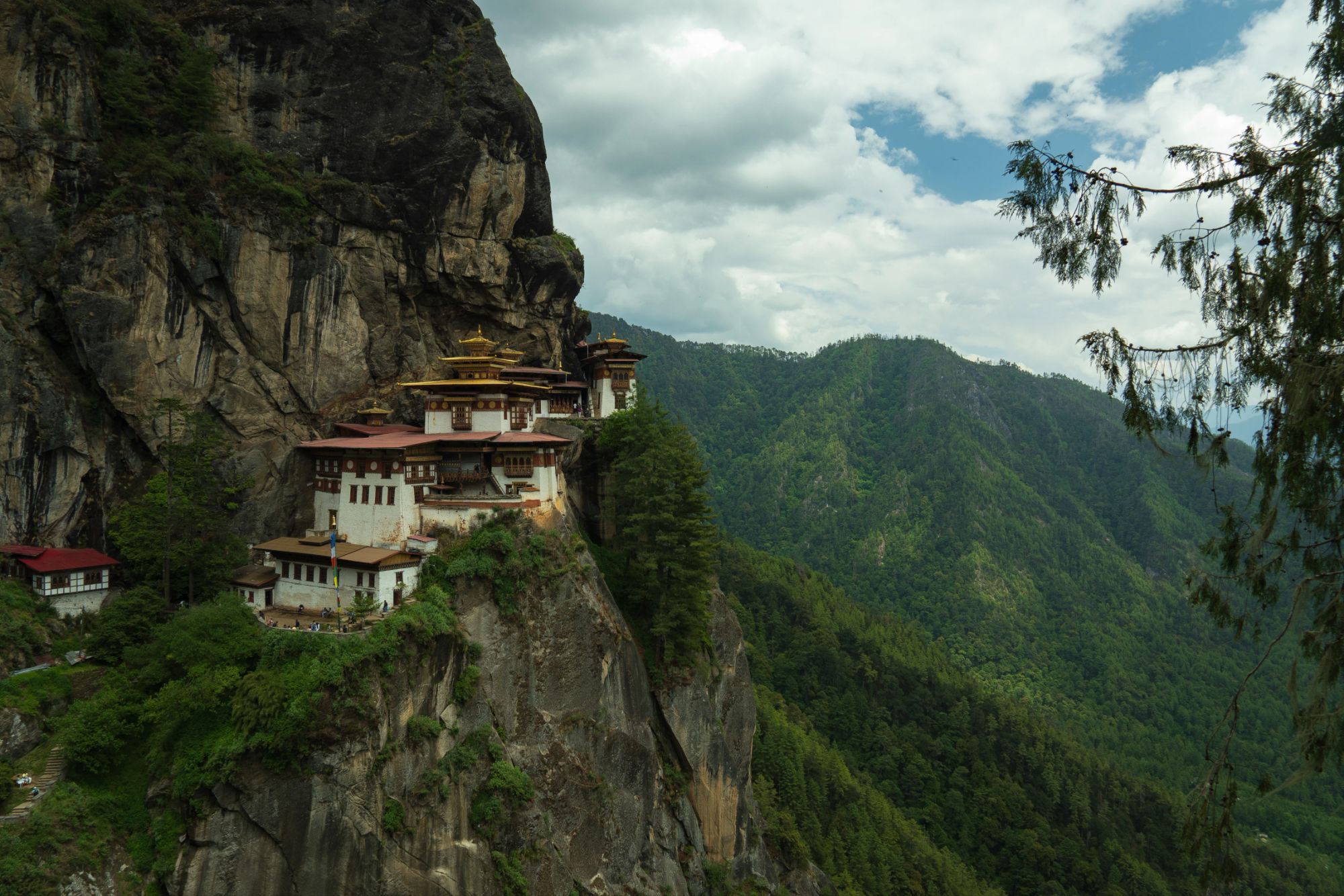
The holy abode…
Entering the abode of lord Padmasambhava!
No electronic items and bags are allowed inside the monastery and lockers are available for the same. The climb was not over yet. We climbed into the first temple of the monastery where the mystical statue I mentioned is placed and it is said that the Vajrayudha is kept here and the Guru Rinpoche guards it. There are 8 other temples dedicated to each manifestation of the 2nd Buddha. We spent quality time in each temple and meditated in almost all of them (while some of us ended up dozing off 😊). After spending more than an hour praying, meditating and listening to the importance of each temple and stories from our guide Kel (Also asking ton of questions, Thanks Udita!) we decided to start our return journey.
The Return Journey: Reflecting on the Experience
The stairs which I mentioned earlier definitely tested our fitness as we climbed to every turn and gasped for breaths. We finally made it to the view point where we had seen the monastery at its best! Most of us were happy that we climbed the toughest part but found our vlogger Tanwi enthusiastically filming her intro of the vlog! That was definitely one of the finest dedications I have seen towards work. We walked down after a short break after coming across a 68-year-old gentleman from Mumbai who completed the hike without any aid! It was definitely an inspiration! We all moved to a spa where we had the traditional hot stone bath and it sped up our recovery! The bath tub has two connected partitions. Hot stones sourced from the local river banks are added in one partition which heat up the water. Many herbs are added to the water which help in relaxing the sore muscles. We had our dinner and called it a day.
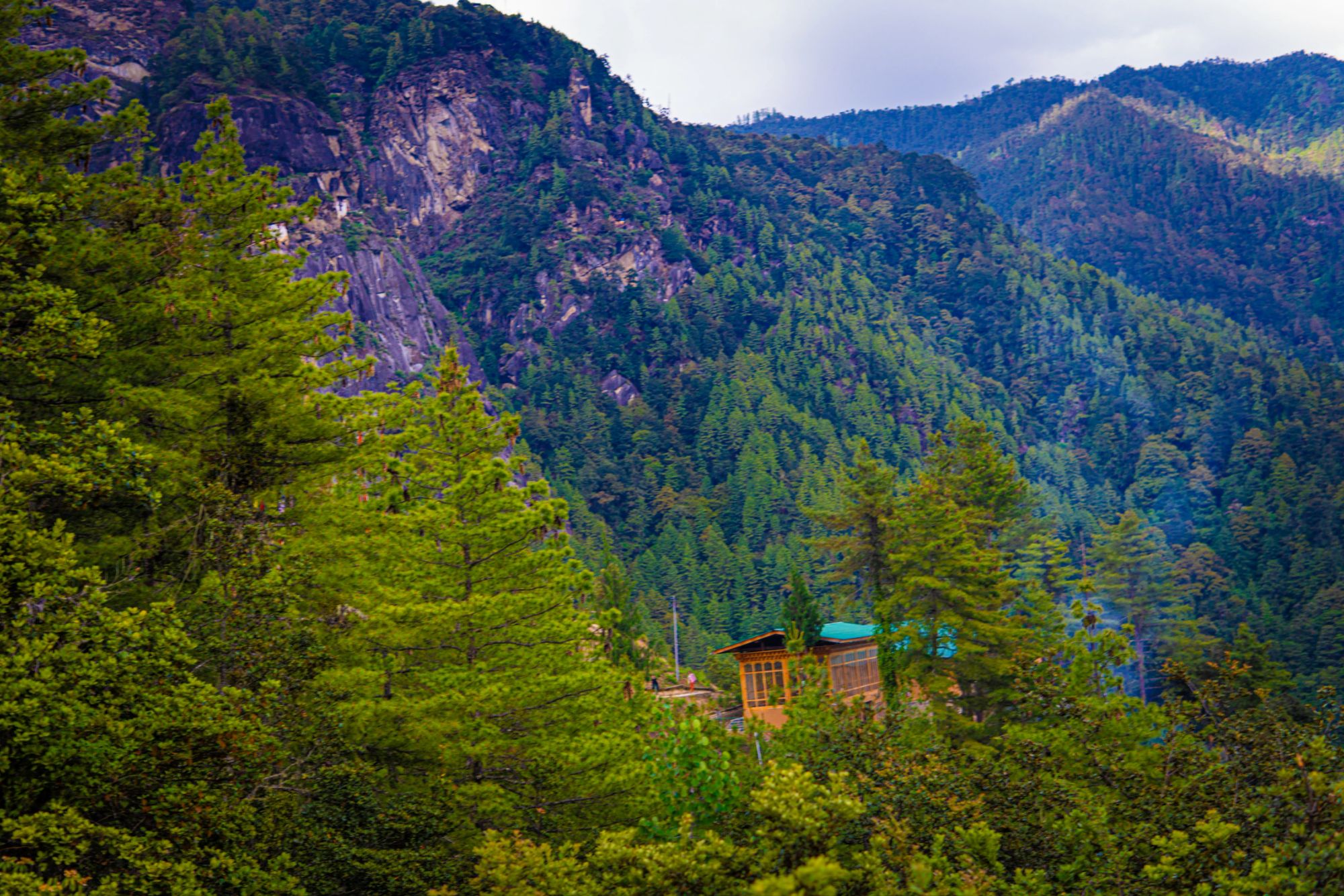

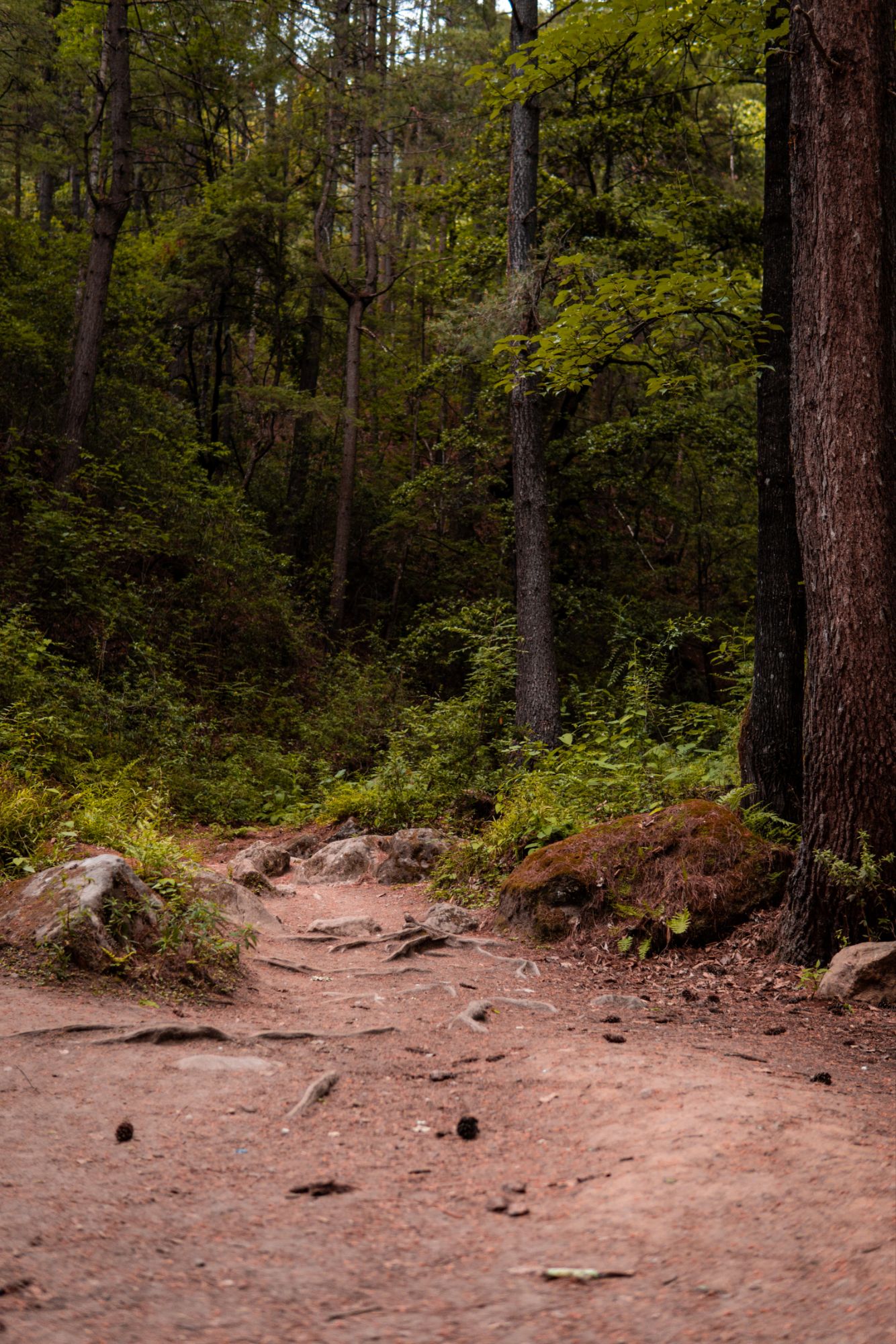
The way back…
Exploring Paro Dzong and Saying Goodbye to Bhutan
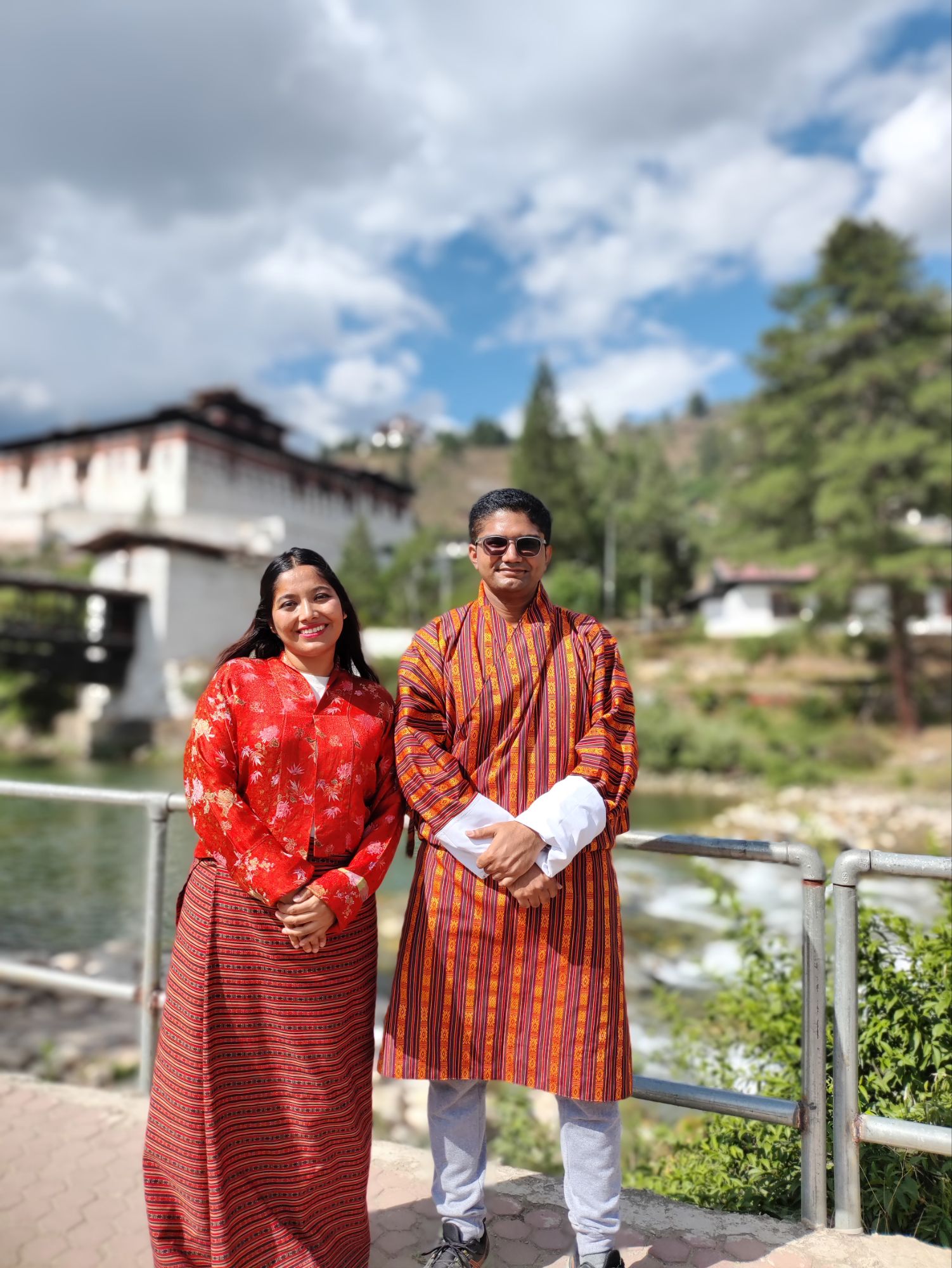
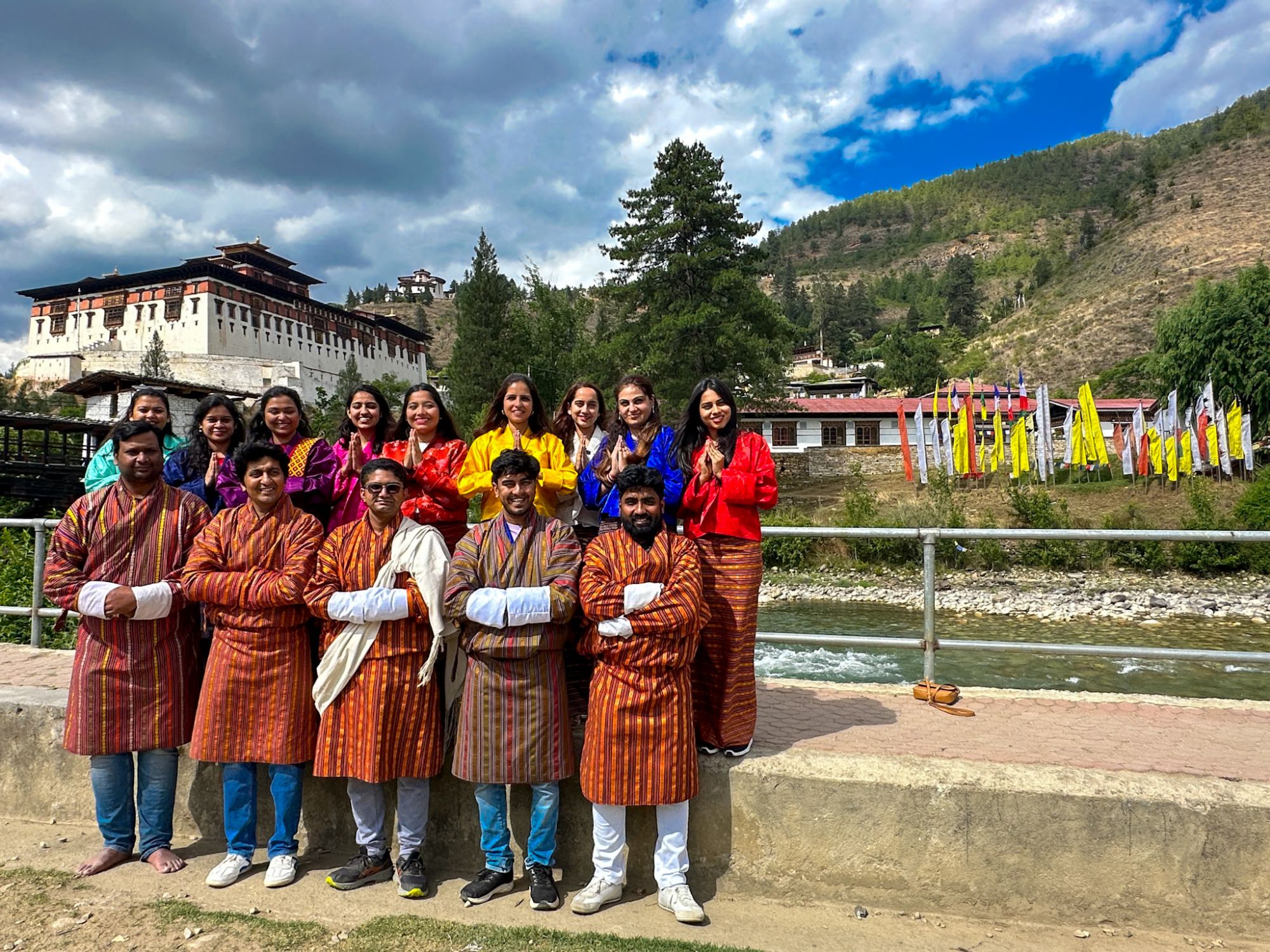
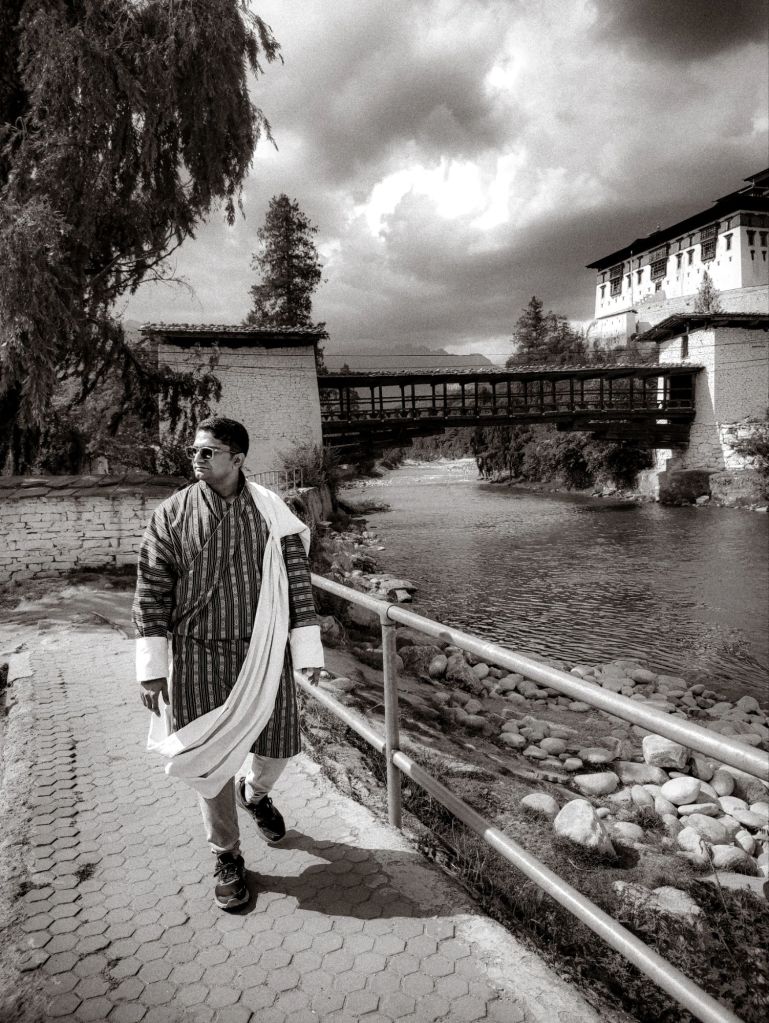
The next day we explored the Paro Dzong and dressed ourselves up in Gho and Kiras clicked a ton of pictures and videos passing by the famous Paro Airport. While at Paro Dzong, our trip leader Sakshi gave us all a post card and write a wish or note to self which she usually does in Tiger’s nest but since she did not join us the day before she gave it to us the next day. We started our journey back to Phuentsholing while reminiscing the entire trip.
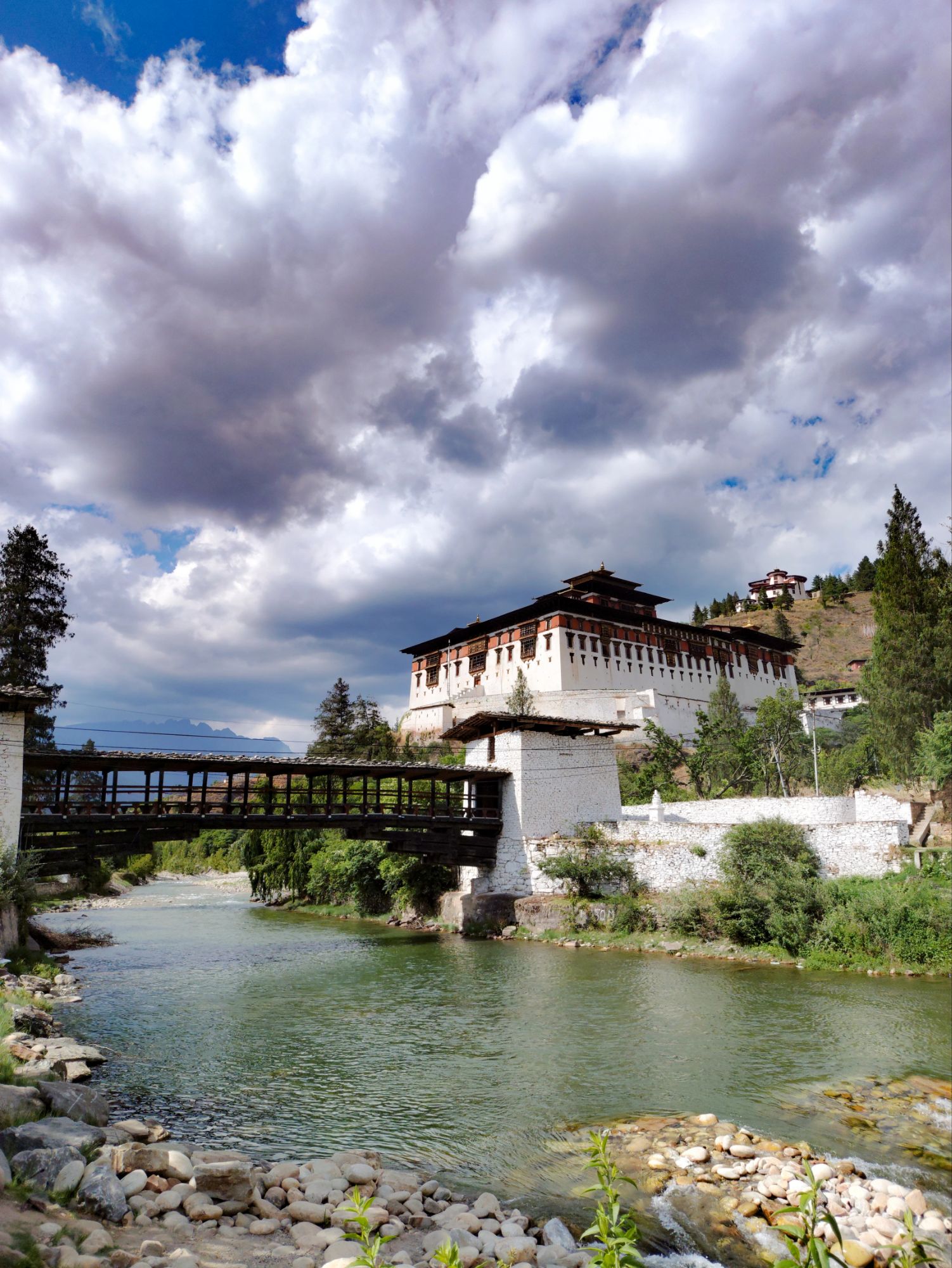


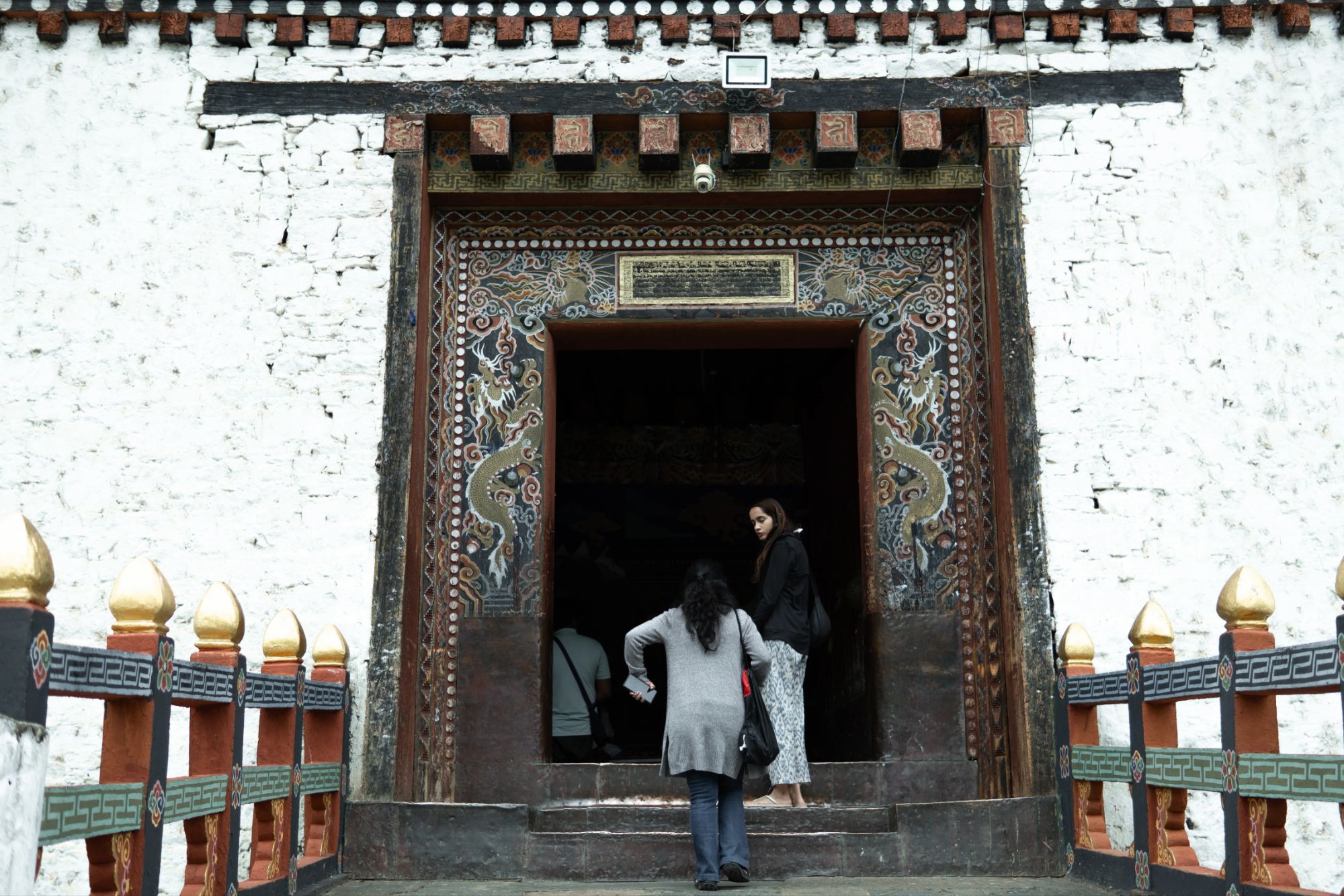


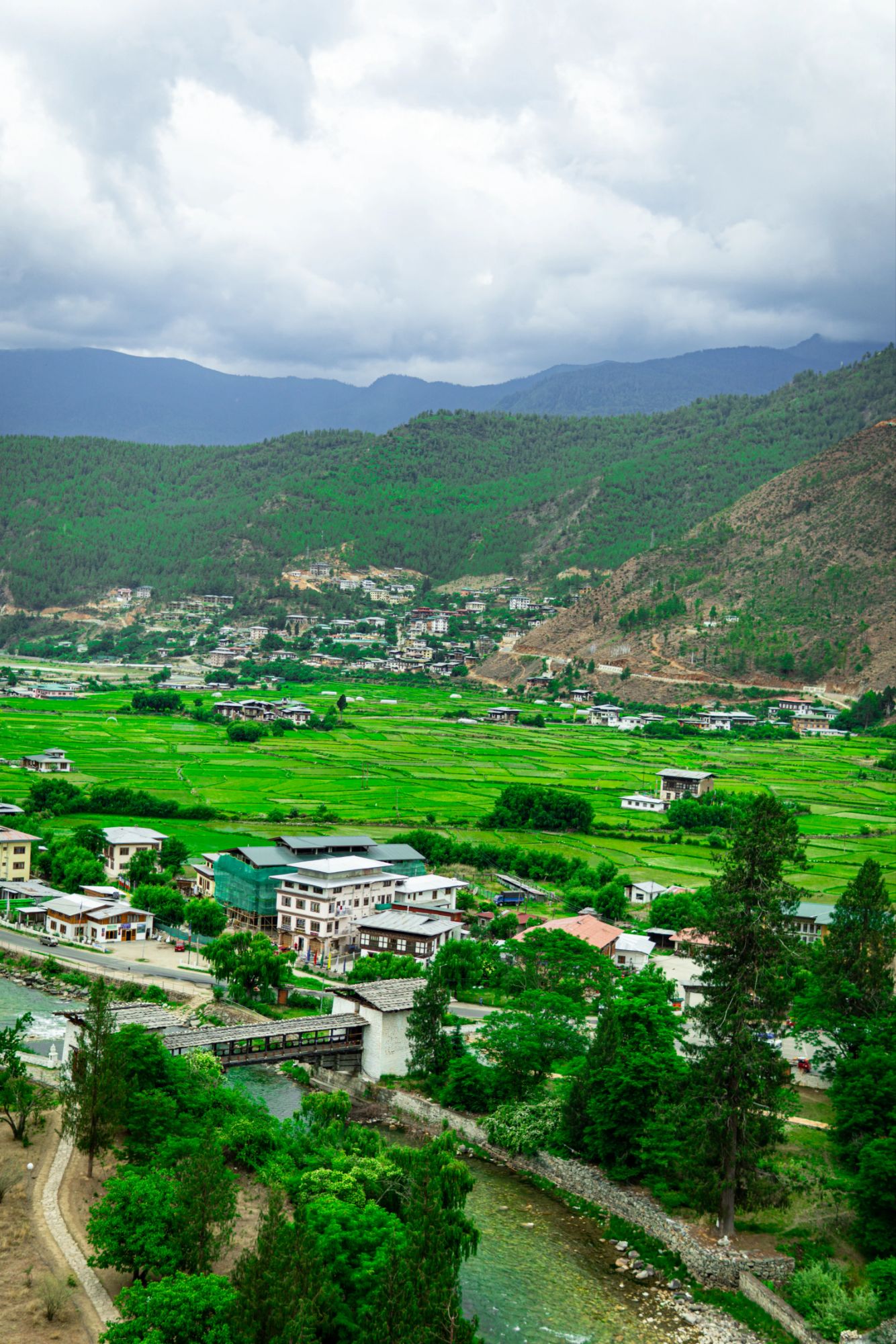
The Paro Dzong
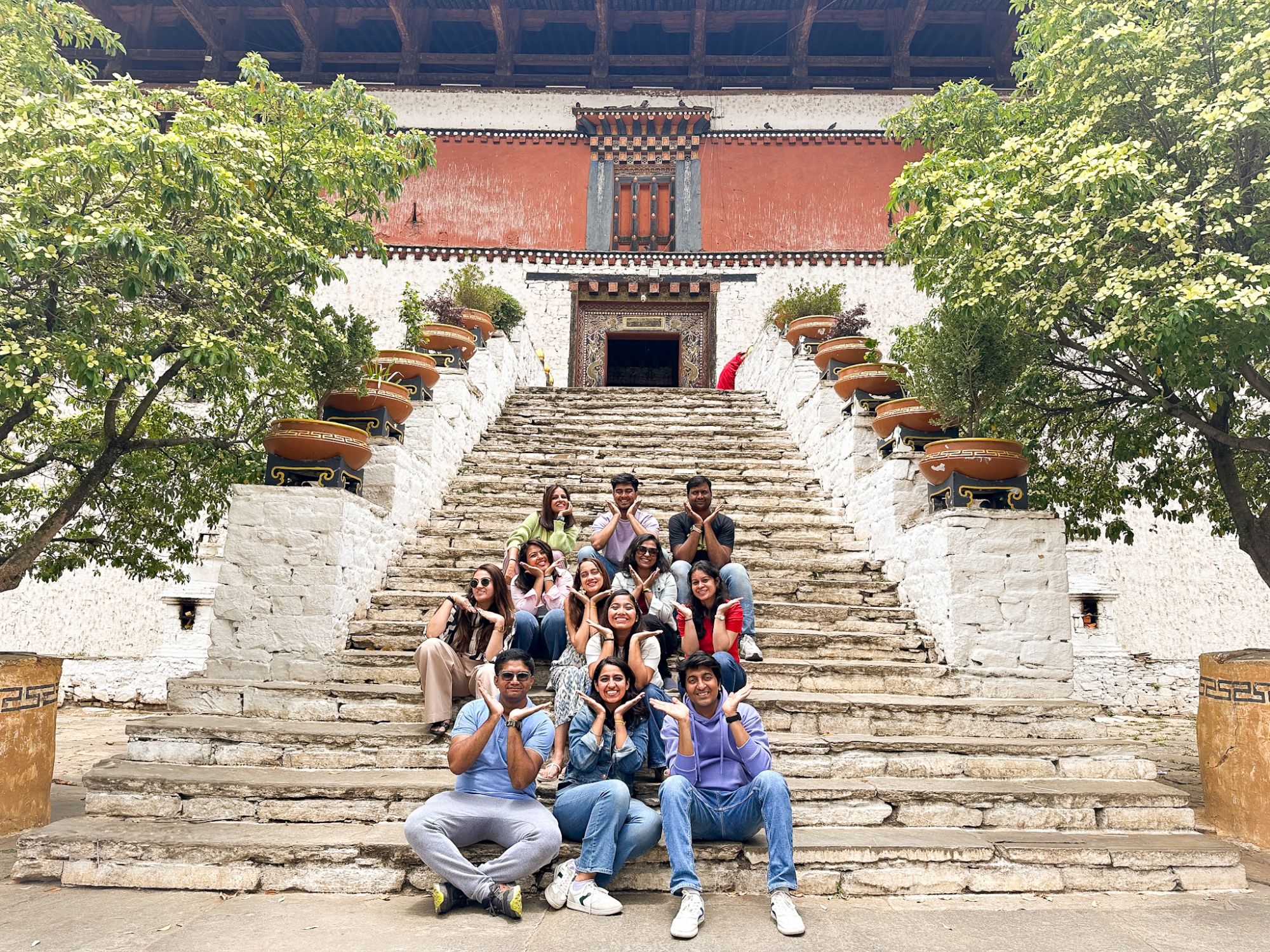
The group this time was very different. We had people from different walks of life: a special ed teacher, someone who wanted to figure out what next after a career spanning more than a decade, someone highly accomplished, someone who started business when they were in their intermediate! Someone who had mastered palmistry. Then there was Sakshi, this was my second trip with her and love the way she tends to small things and make sure everyone is enjoying! She can gel with anyone in matter of minutes! I definitely look forward travelling with her soon! Do check out Alohomora Adventures on Instagram! As usual we spoke all night and headed back to India towards home.
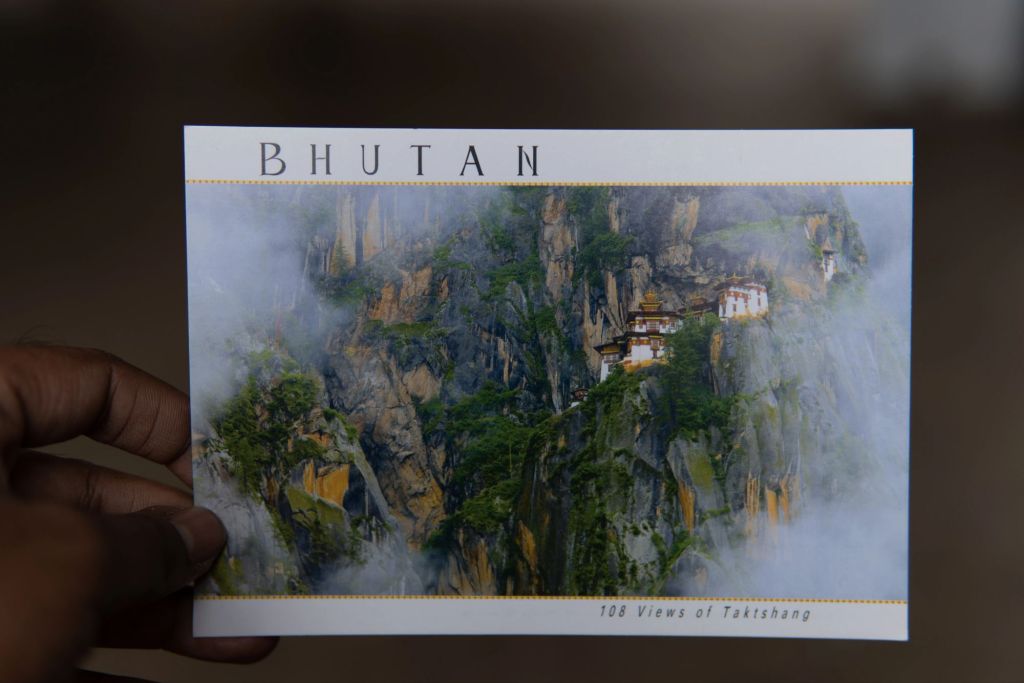
The thoughtful gift!
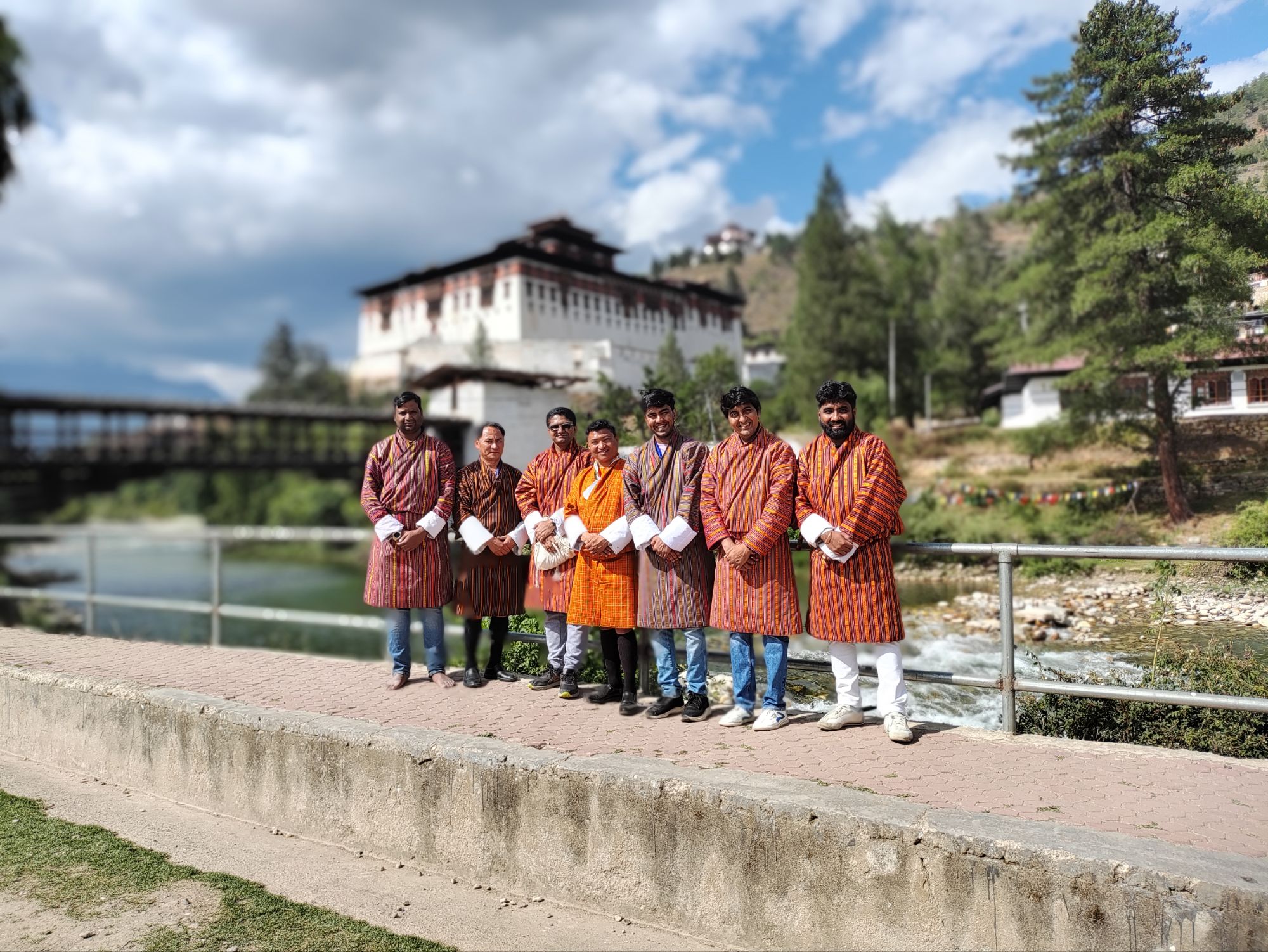
My troupe!
Yours truly… 🙂
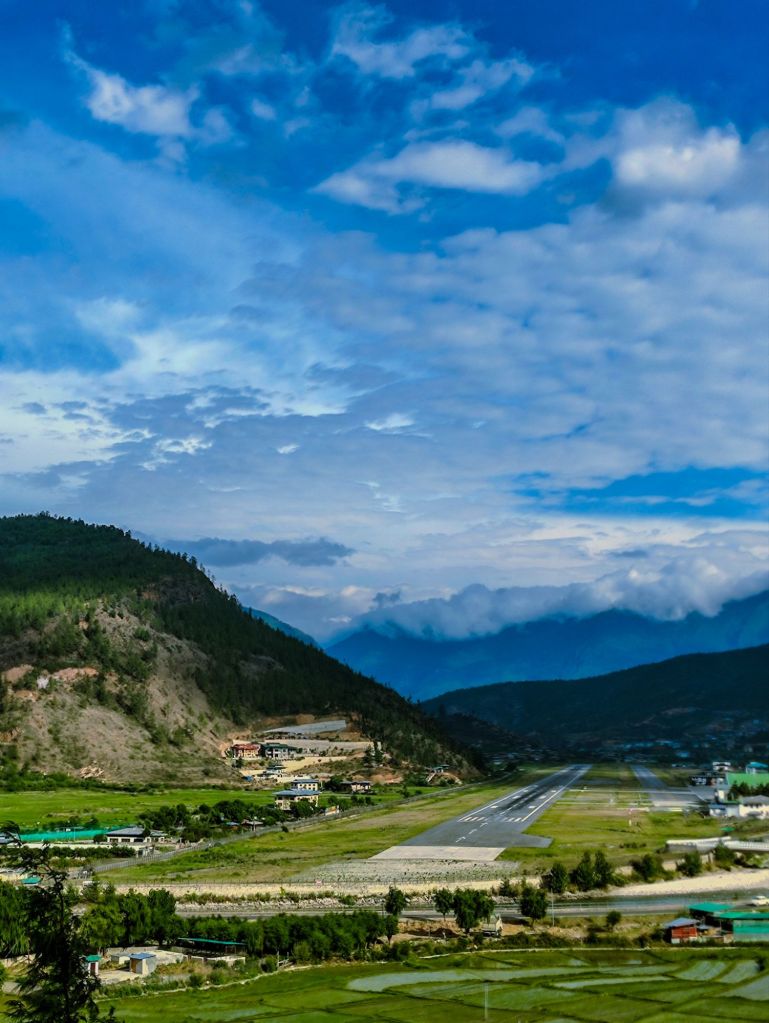
The Paro International Airport

Saare jahan se achha Hindustan hamara hamara! (Indo-Bhutan border post)
Bhutan: A Land of Peace and Mindfulness
Bhutan is a country that values peace, mindfulness, and balance. With over 75% green cover and a commitment to remaining carbon-negative, it’s no wonder Bhutan is the world’s happiest country. I highly recommend Kel for being your guide when you plan visit the country.
This marks the end of my Bhutan series. I’ll be back soon with my next travel story!
Hotels and restaurants which are a must visit in Paro!
Read my other travel stories here! 🙂
 A Million Moments
Leave a comment