
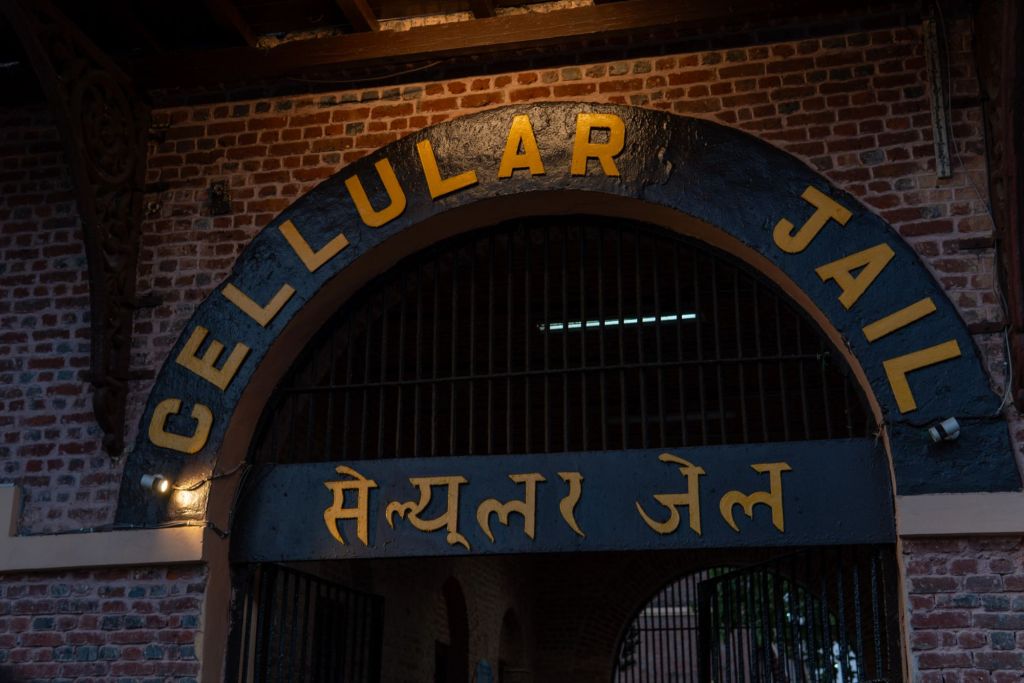
Kala Pani, A.K.A Black waters. One would have heard this term no matter whether you are aware about the history of Indian independence. Every brick has a story to narrate. Every story ends in pain, vain and misery. The story begins much before its existence right after the first war of Indian Independence. All Indians must hear the bone chilling stories. They need to know that freedom fighters did not just end up in well set up jails.
The Birth of Kala Pani: A Prison Beyond the Mainland
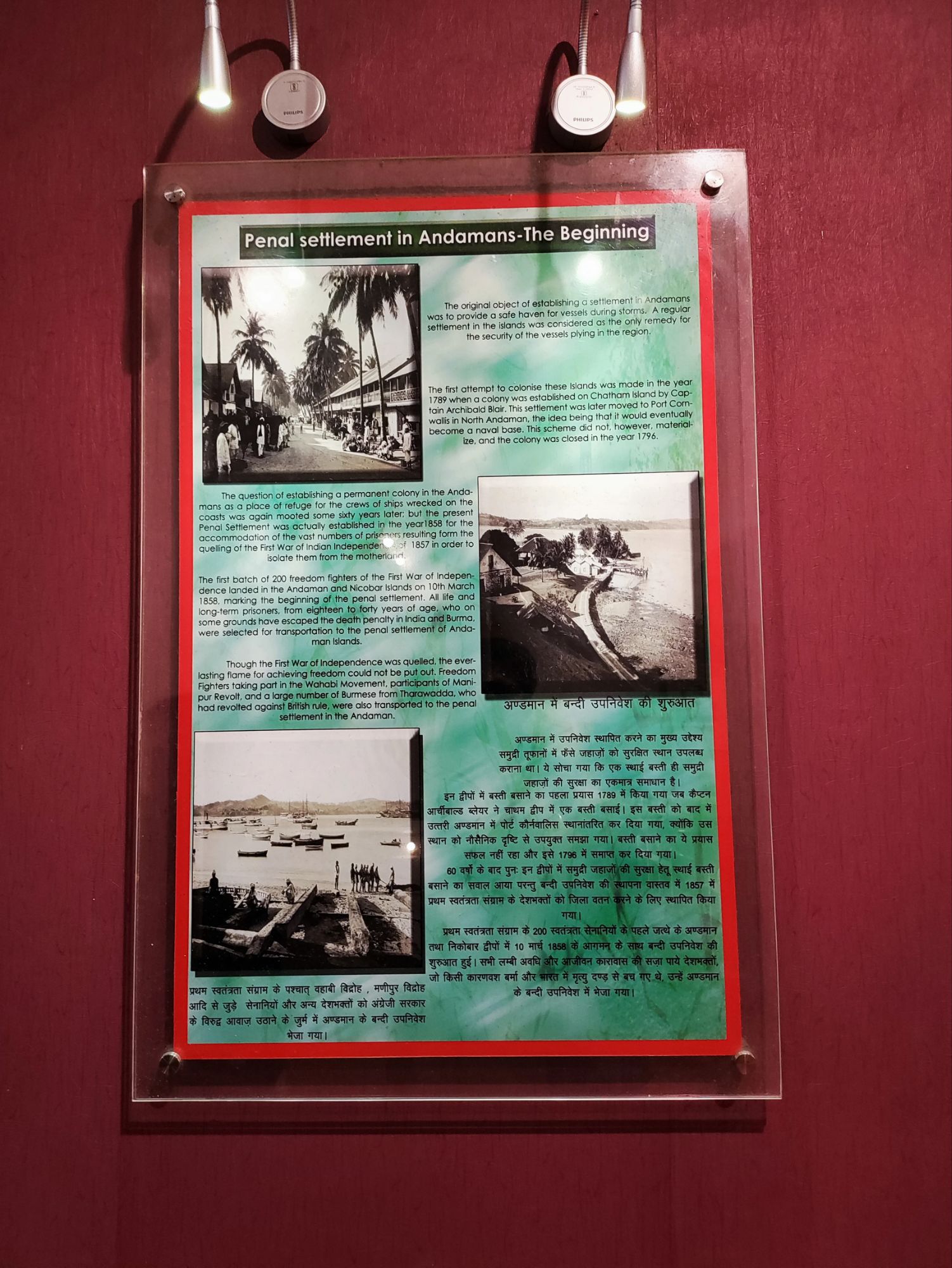
The Brits, after the discovery of the Andaman and Nicobar Islands, had a wicked idea. They planned to turn it into an open prison. They decided to promptly ship revolutionaries from the mainland after the 1857 Indian war of Independence. This was to keep the idea of Mutiny and revolution far away. But did they succeed? The Cellular jail stands tall even today as a national monument and screams NO! Within a few years, the Brits realized that the islands were not just considered a jail anymore. They were seen as places where people could restart their lives and revolutions. People started opting to go to the islands as the conditions were far better than the Indian Jails. So, they started building one of the most dreaded sites in the history of India.


Why Was It Called Kala Pani?
During colonial times, crossing the sea meant social exclusion. Known as Samudrolanghana or Sagarollanghana, the act of venturing across the ocean meant losing one’s caste. It also meant severing ties with their ancestral homeland along the Ganga. The term Kala Pani thus symbolized not only physical imprisonment but also cultural exile.
The Dreaded Cellular Jail: Designed for Isolation
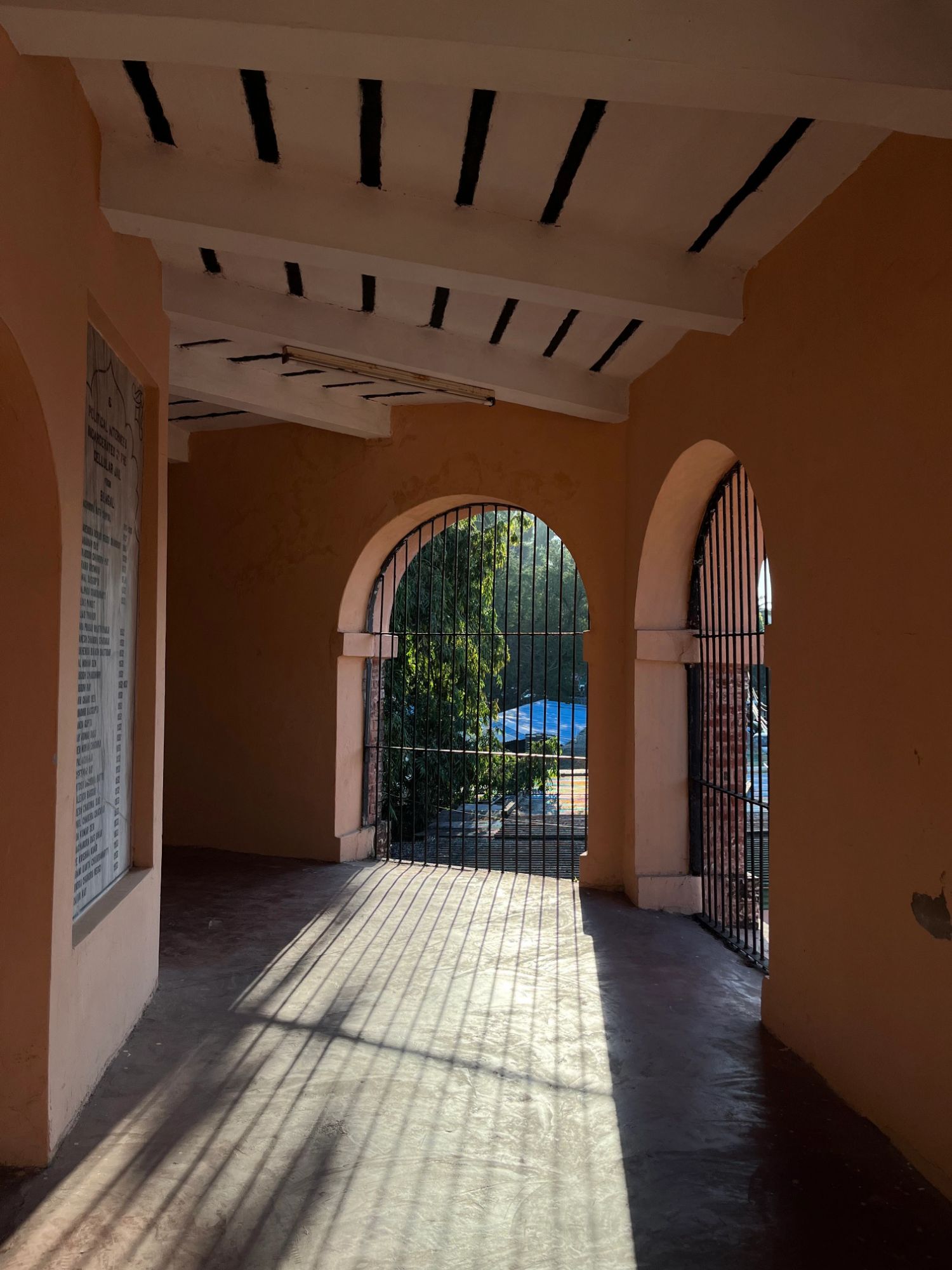


The silent witnesses
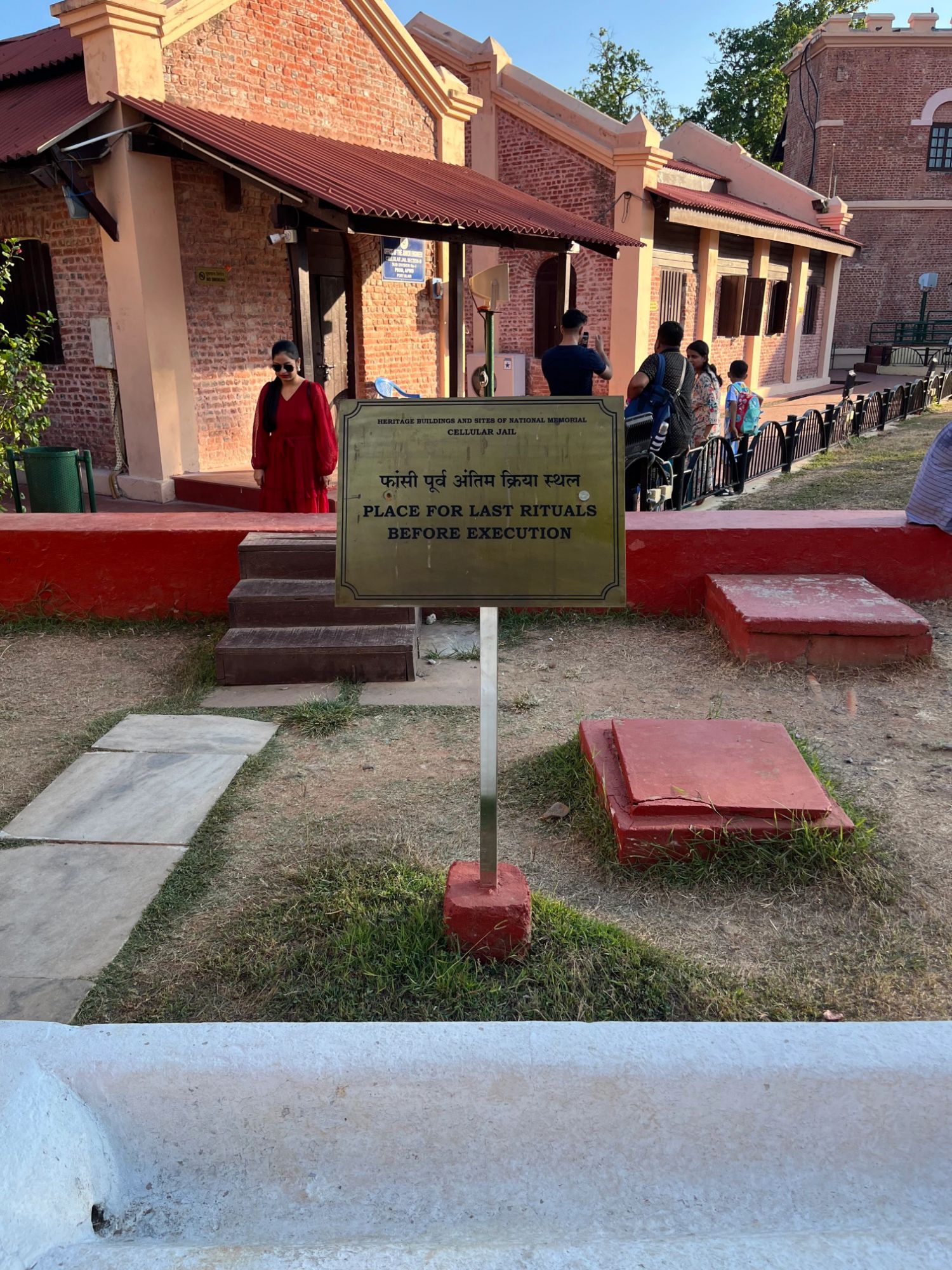
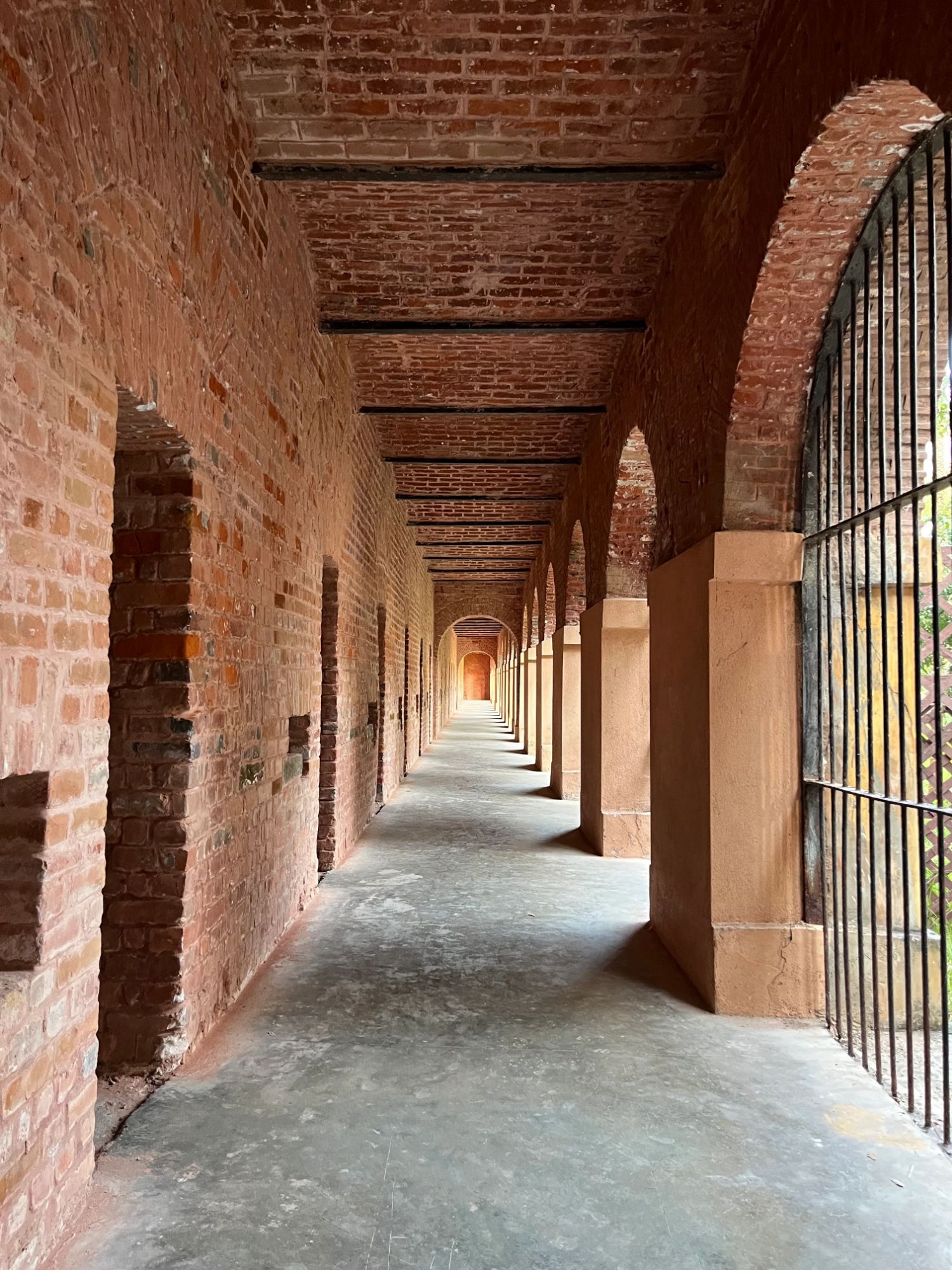
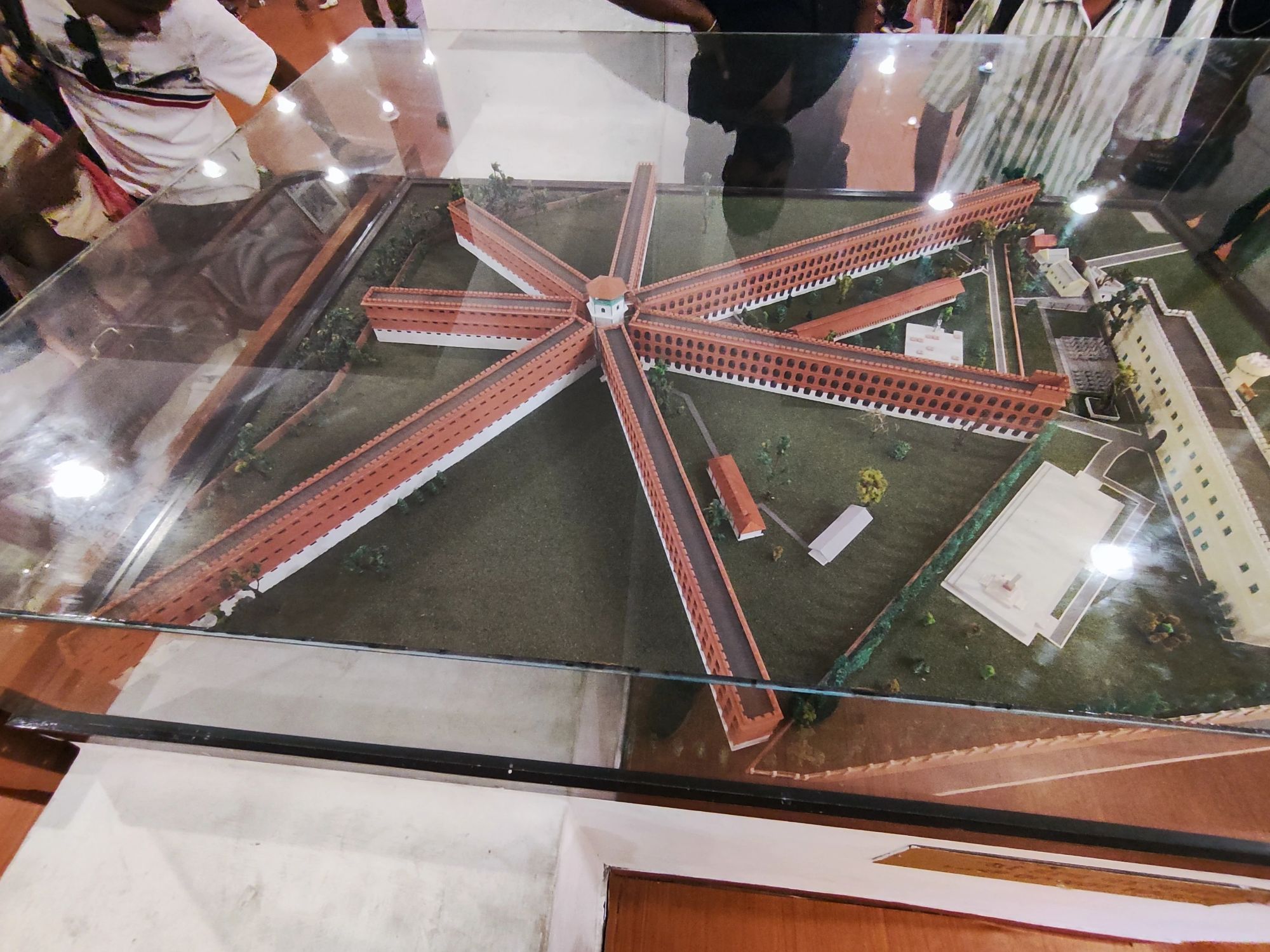
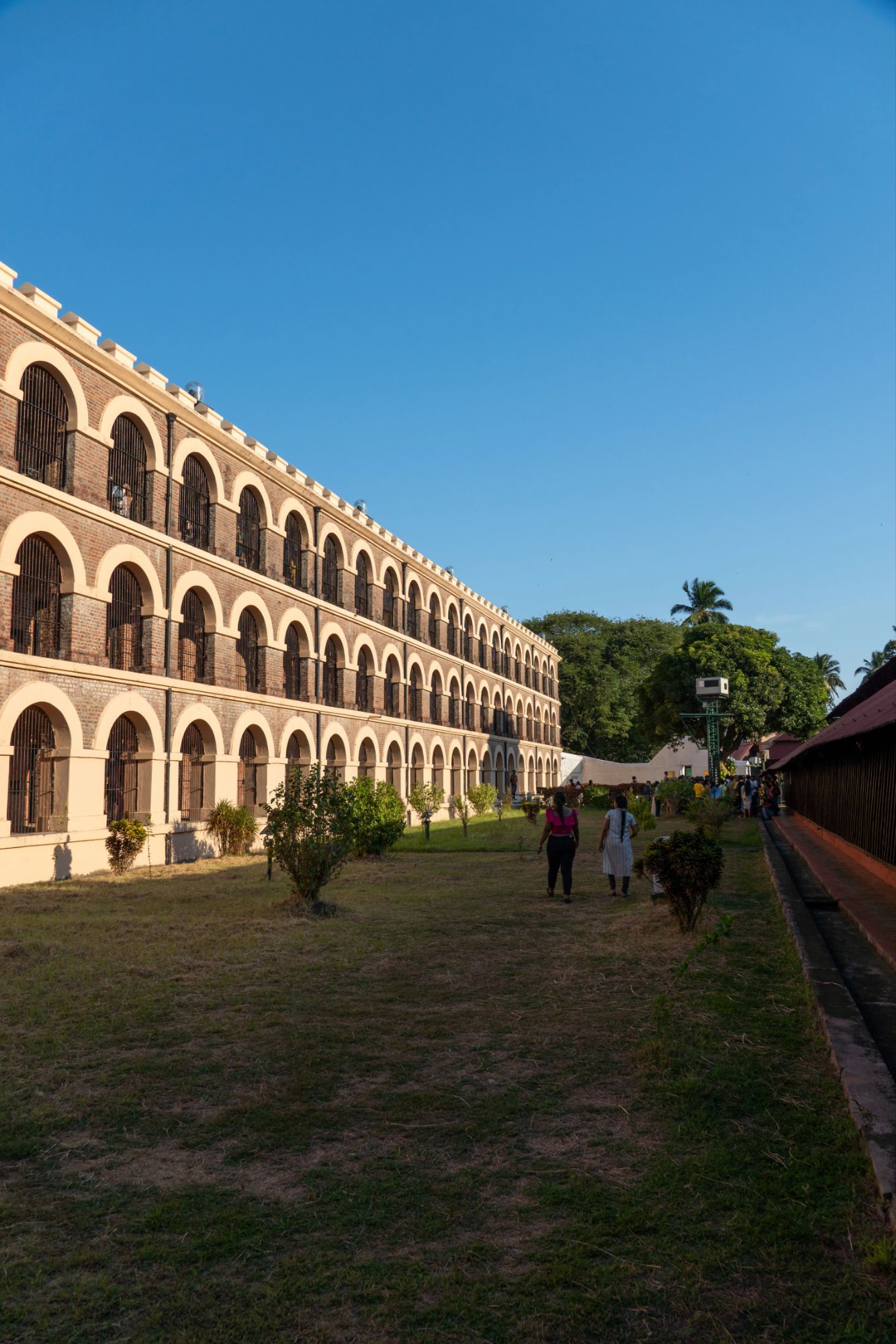
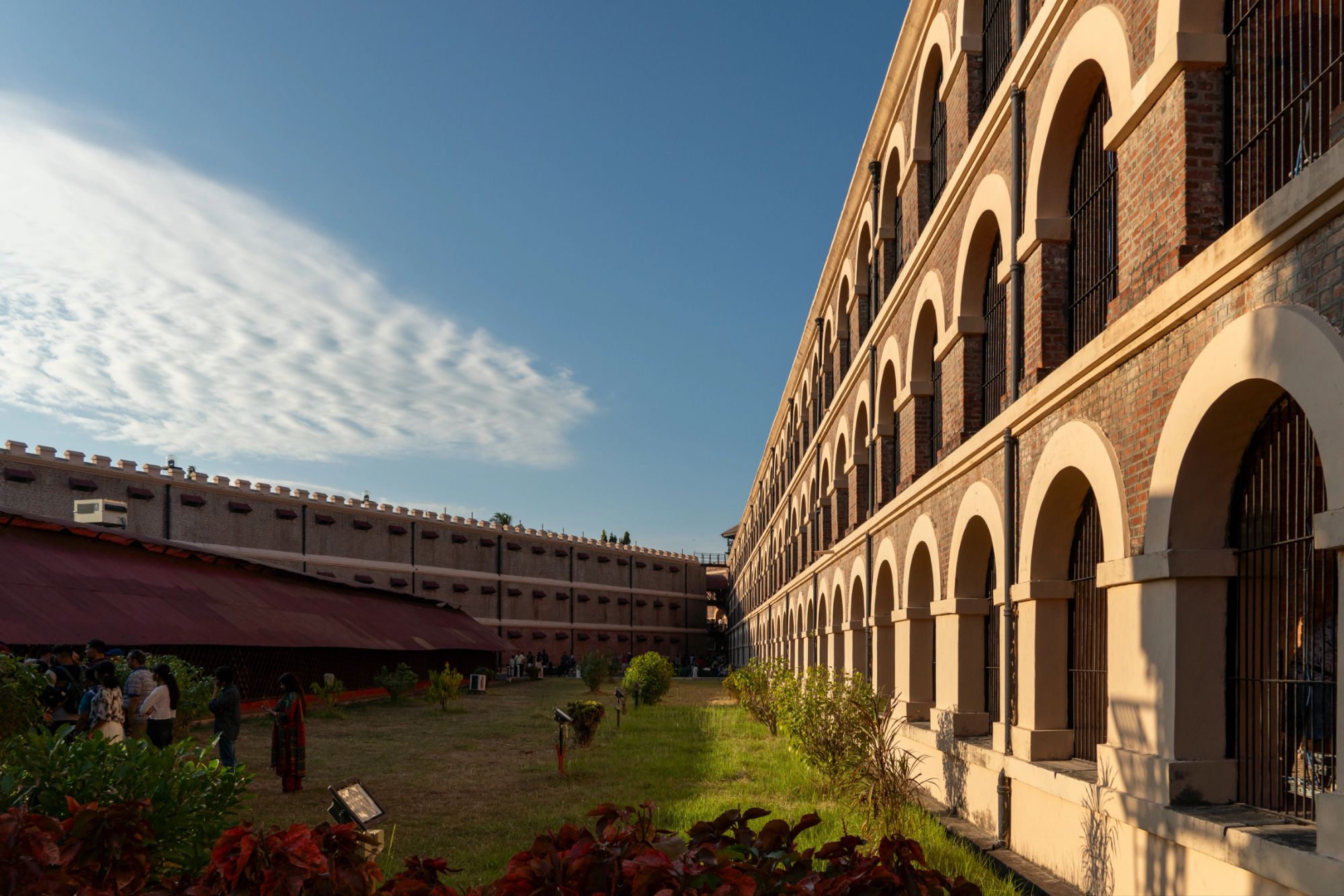
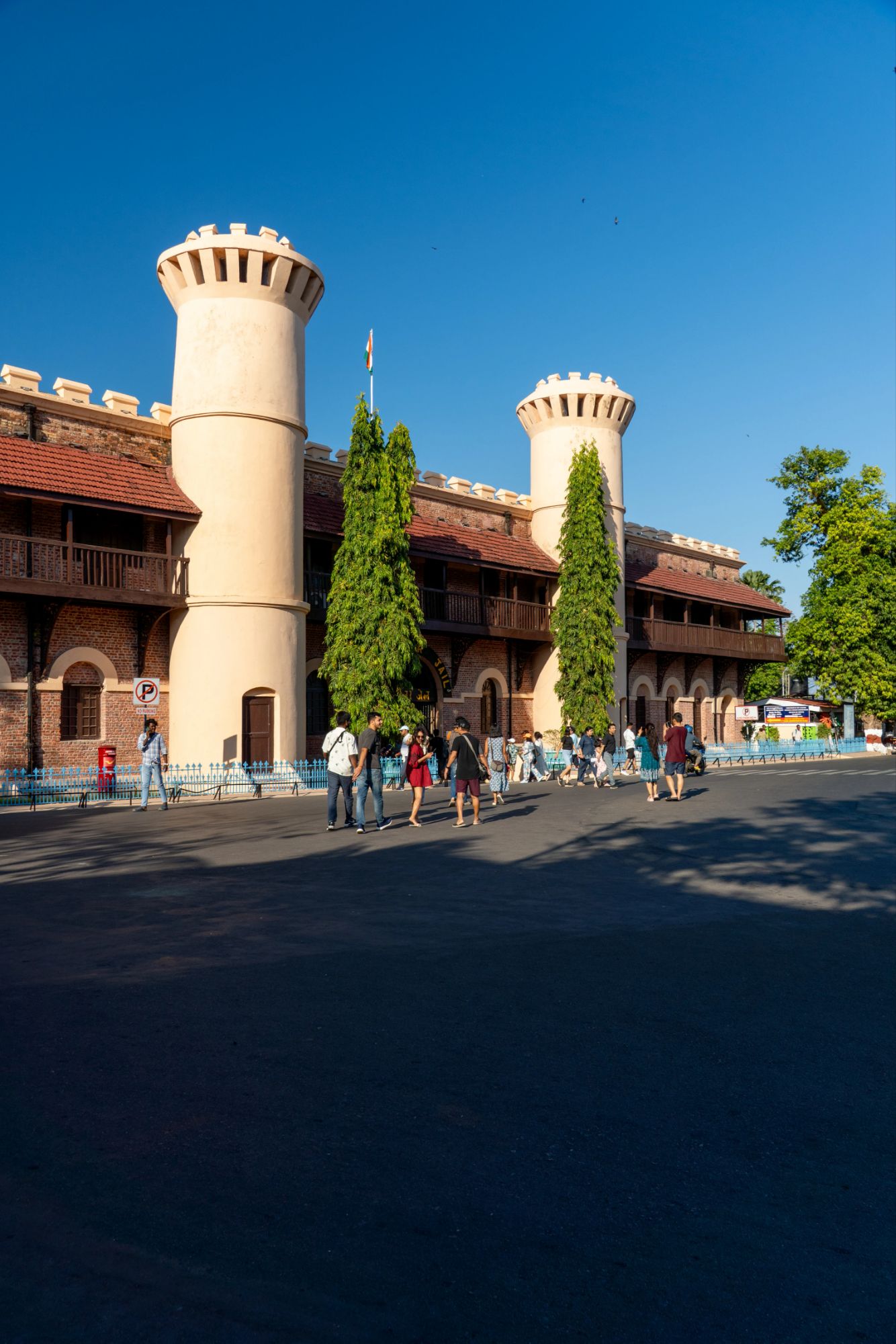
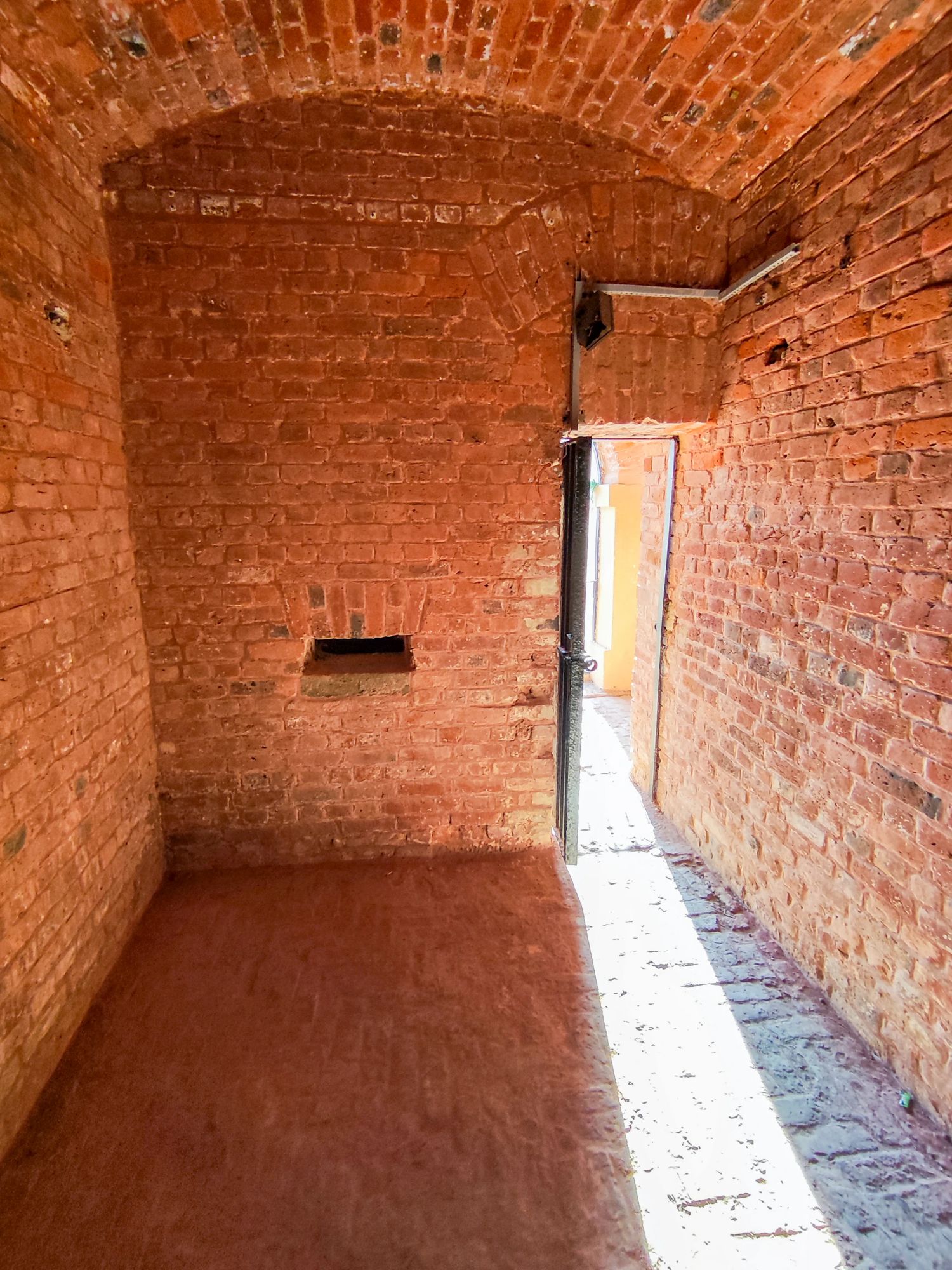
The Britishers conceived a sinister plan. They intended to construct an entire jail with 696 cells. Each one was meant for solitary confinement. The jail had 7 wings of three stories each connected to a central watch tower. The building was built for 10 long years by uncounted numbers of prisoners. Ones who died were thrown in the sea and the remaining ended up living in the same jail they built. The design of the jail made sure that none of the inmates spoke to one another. The latches and locks to the prison doors were placed far away from the door. The keys to their cells were thrown inside the cells. This was done to mock them that even with the keys, they could not escape. The living conditions were so bad that many perished due to it. The heat, rodents, and insects took their toll on the men. The psychological effects of loneliness further consumed them. They were eventually executed, dead, or in very rare cases released.
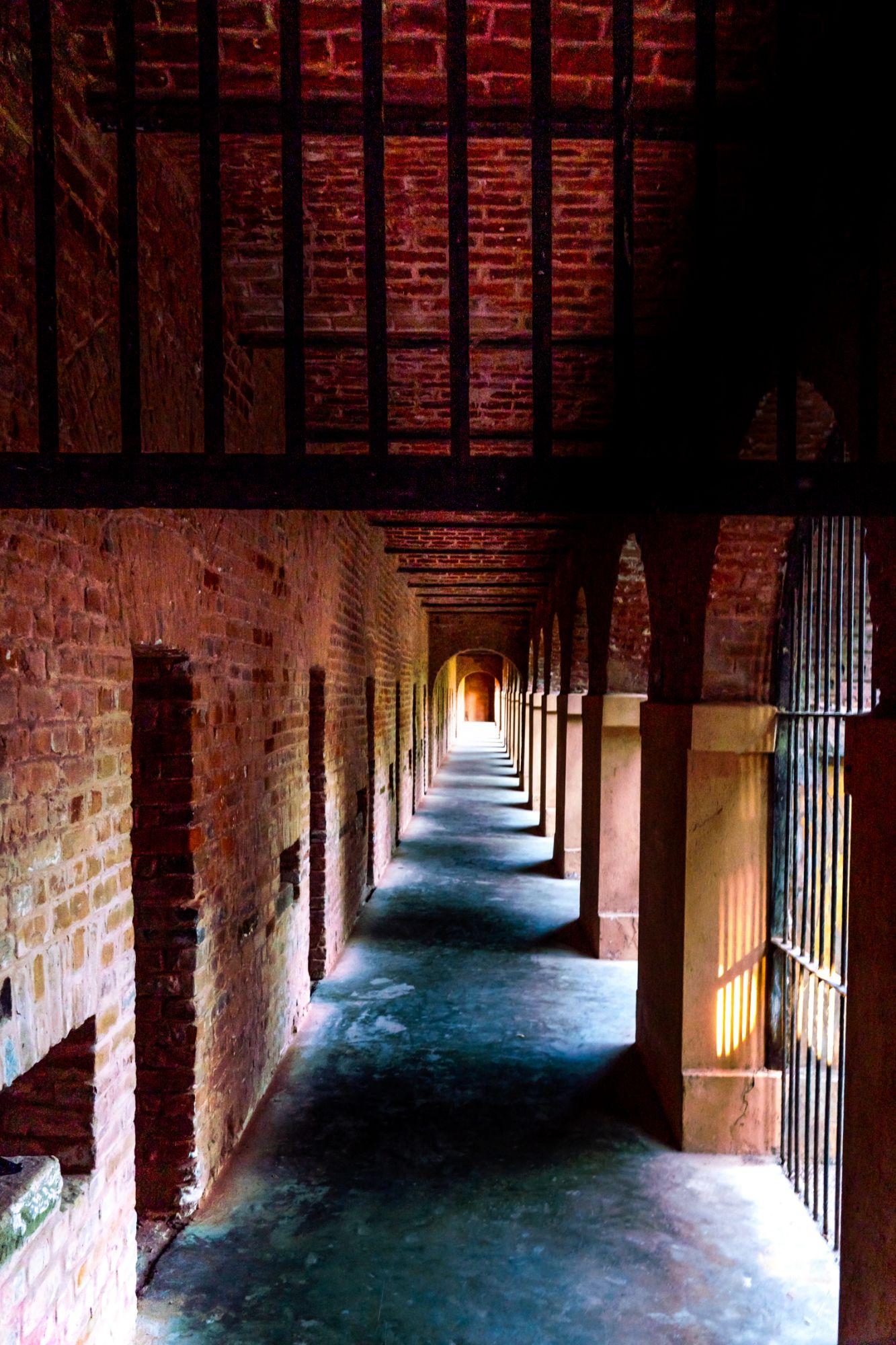
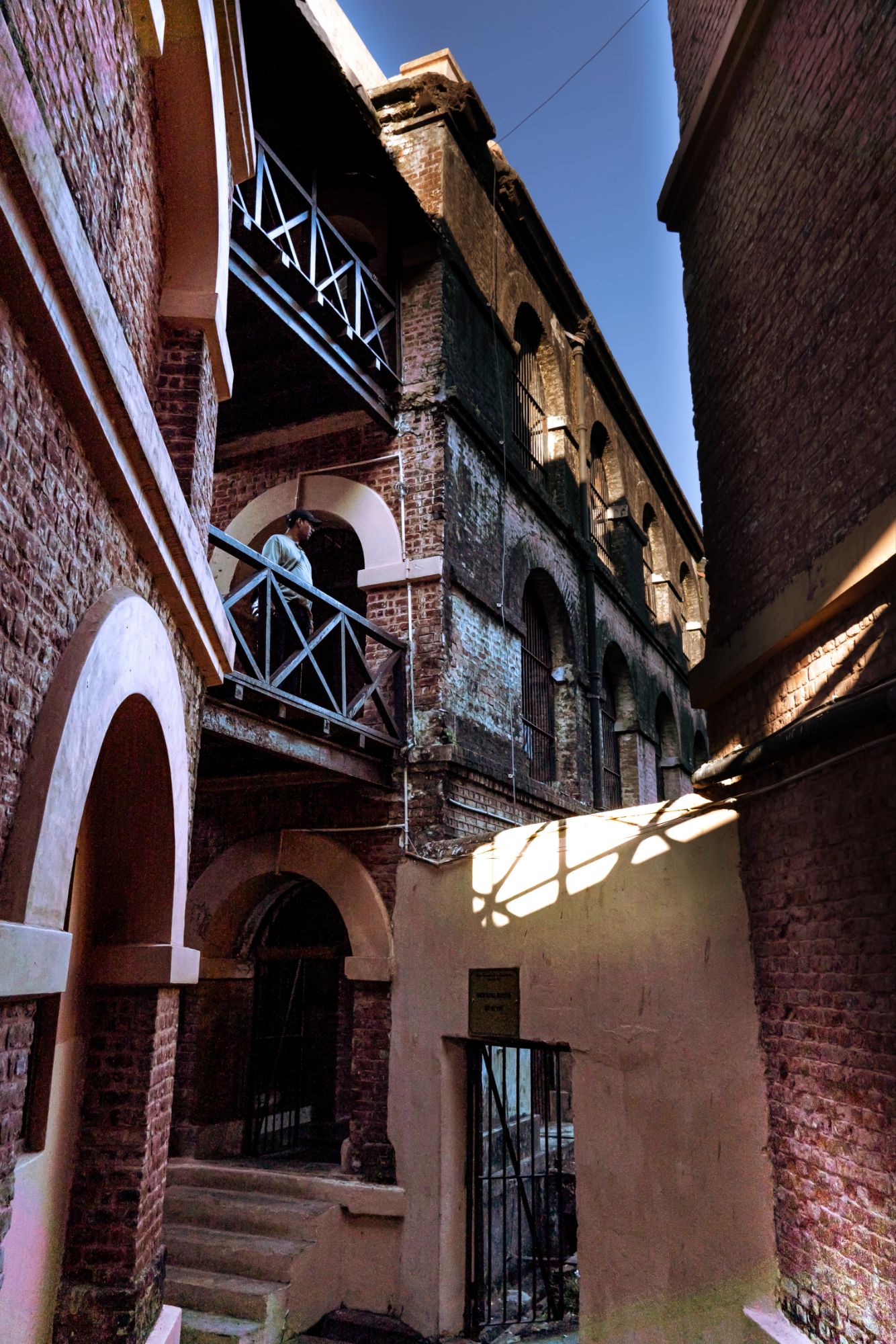



The Infamous David Barry and Brutal Punishments
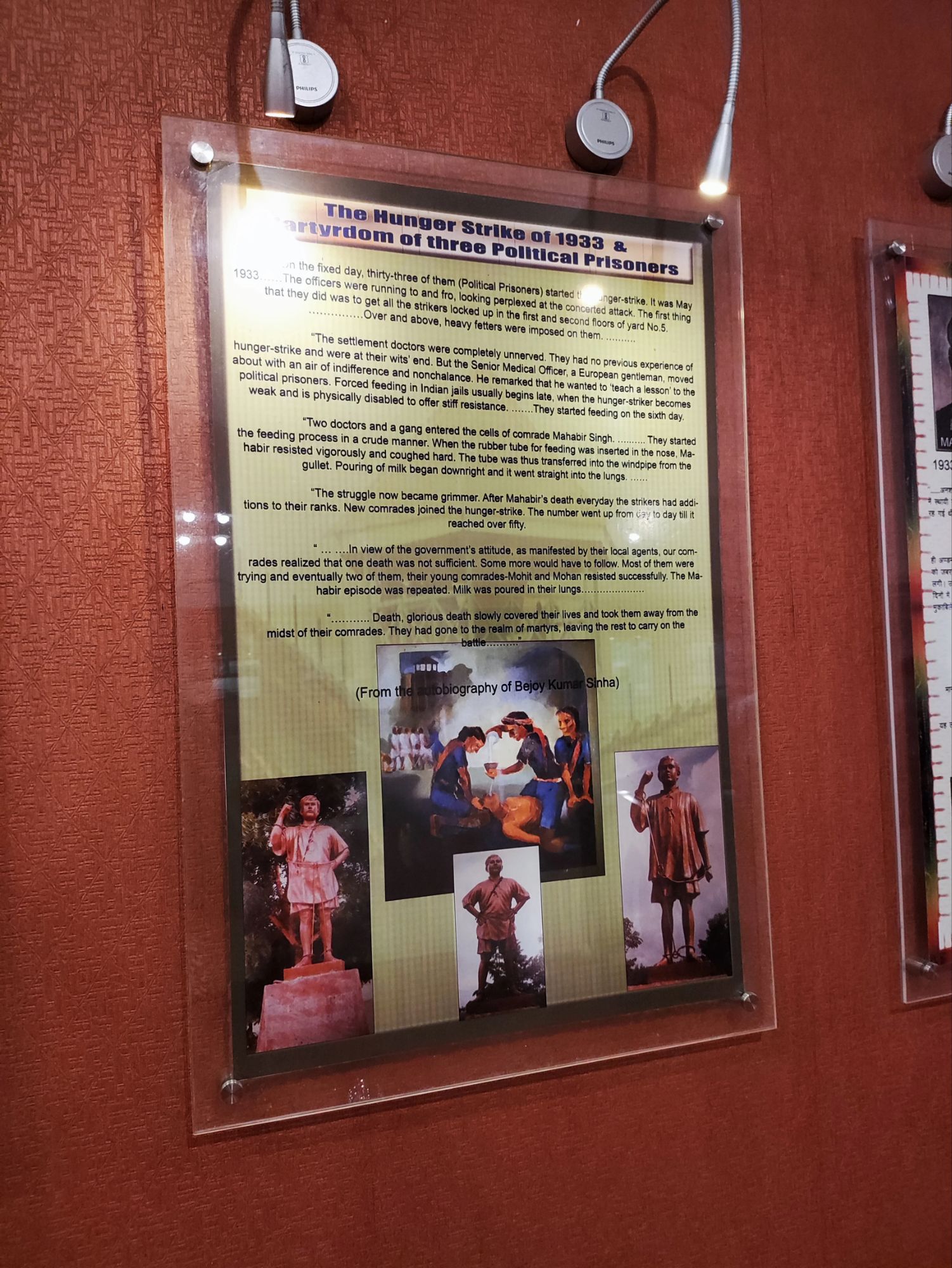
David Barry, an Irish jailer, may be the most inhuman person in this story. He was nothing less than Adolf Hitler. He subjected the inmates to such harsh conditions with no mercy. Inmates were shackled or chained for months together. In the same state, they had to do odd jobs in jail. These tasks included manually operating the cold press machines to churn out 30 pounds of oil. They also had to move sacks and coconuts to different levels of the jail. If anyone would fail to meet the daily quota they would be subjected to harshest tortures like flogging. Any hunger strike would result in force feeding even to the extent of breaking their teeth and feeding them. At times, as part of punishment the inmates would be starved on purpose as part of punishments. The gallows have seen innumerable lives being snatched away. David would often mock the inmates by pointing at the outer wall of the jail. He would say they were kept short because, even if the inmates escaped, they had nowhere else to go. The islands were surrounded by open sea for thousands of Kilometers.

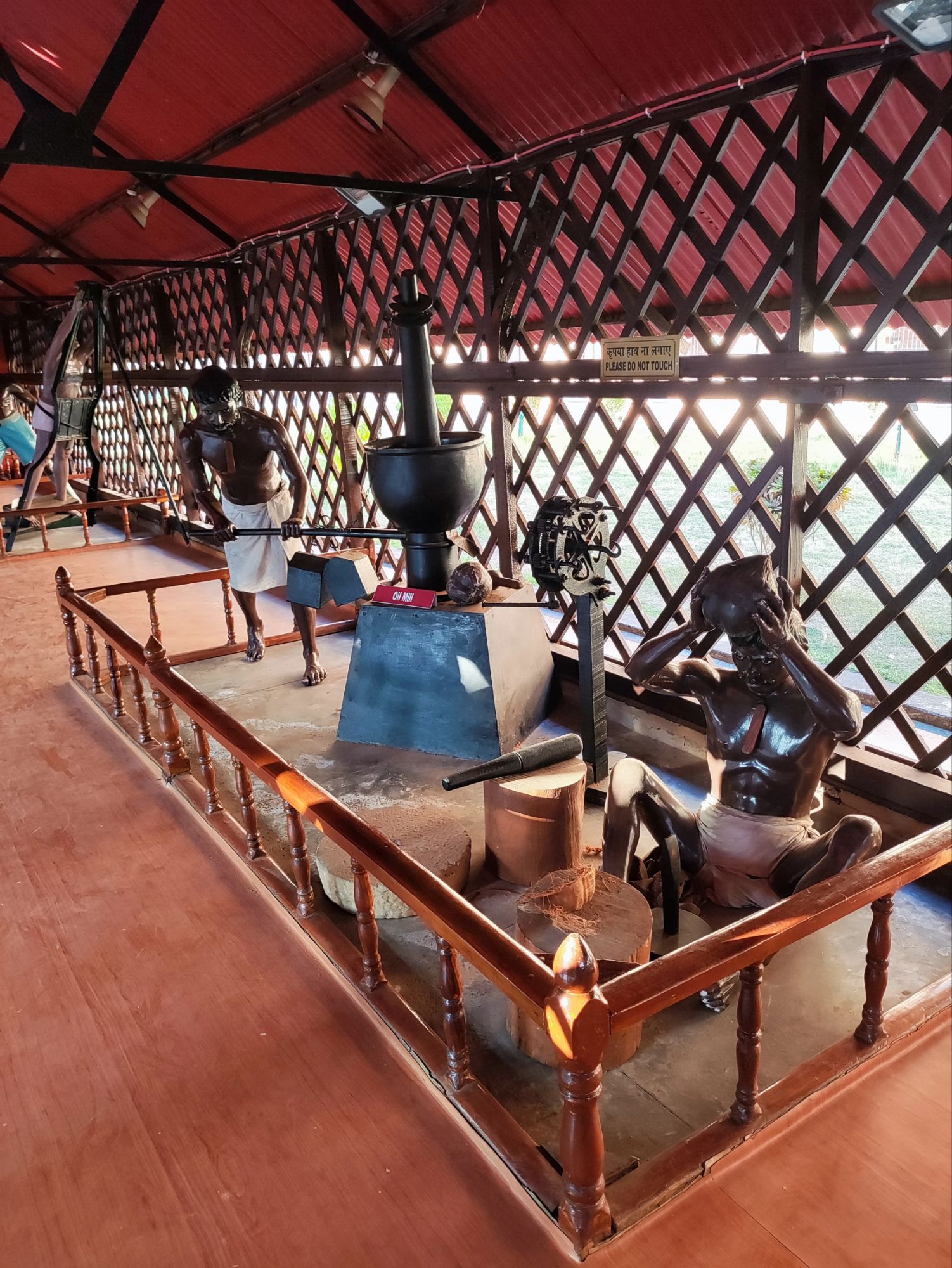
The Horrors
Notable Freedom Fighters of Kala Pani
This very Jail housed the famous freedom fighter Vinayak Damodar Savarkar (Veer Savarkar). He was found guilty in a murder case for supplying a weapon. He also continuously instigated against the British crown for ten years until he was repatriated. Other notable political prisoners included Sardar Singh Artillery, Diwan Singh Kalepani, and Yogendra Shukla. Batukeshwar Dutt, Shadan Chandra Chatterjee, and Sohan Singh were also notable. Additionally, Hare Krishna Konar, Hemchandra Kanungo, and Sachindra Nath Sanyal were recognized. Others like Shiv Verma, Allama Fazl-e-Haq Khairabadi, and Sudhanshu Dasgupta were notable too. This Jail later became a place that held political prisoners. These were people who completely disagreed with the British and actively opposed them.


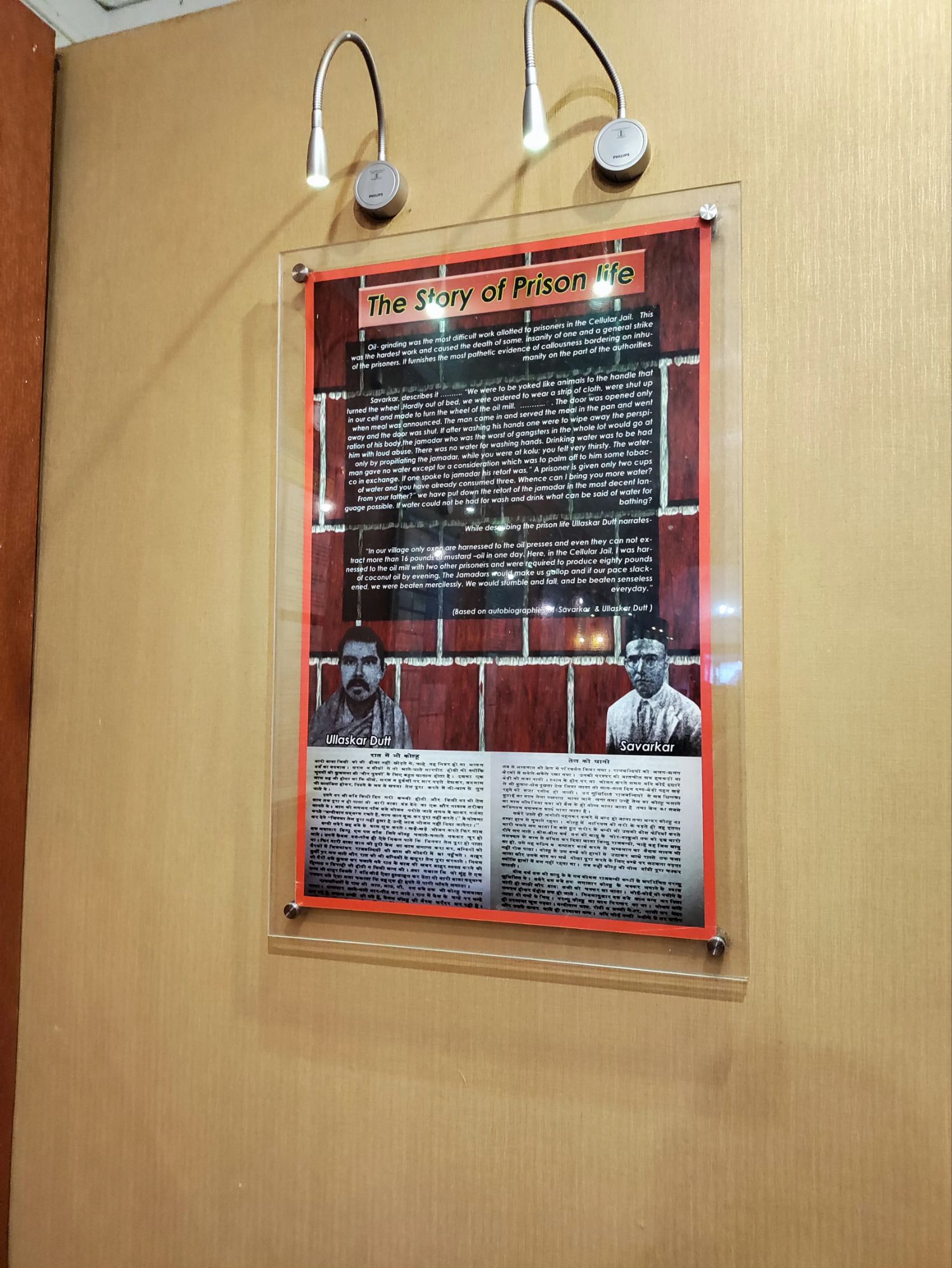
Information about some of the prominent freedom fighters held prisoners
Closure and Legacy
This dreaded jail was finally closed by the end of 1939 after long drawn backlashes from Indians. During the Japanese occupation of the islands, this became a prisoner camp. The Japanese held the British and their alleged Indian allies there. Post Independence, the then government decided to demolish the Jail but faced severe backlash. Out of the seven wings, only three survive today. Two were severely damaged in the earthquake of 1941. The Japanese repurposed the bricks and mortar from these wings to build bunkers. Two more were fell by the Indian govt to construct a hospital.
To this day, this Jail stands narrating the story of the unheard cries. It tells of the pain of the inmates of Kala Pani, which the world has hardly heard of. Every Indian must visit and pay their respects. It is not a tourist spot where one can rejoice. It is a place that should remind us of the struggles of the generation that lost everything. They sacrificed so that we have everything.

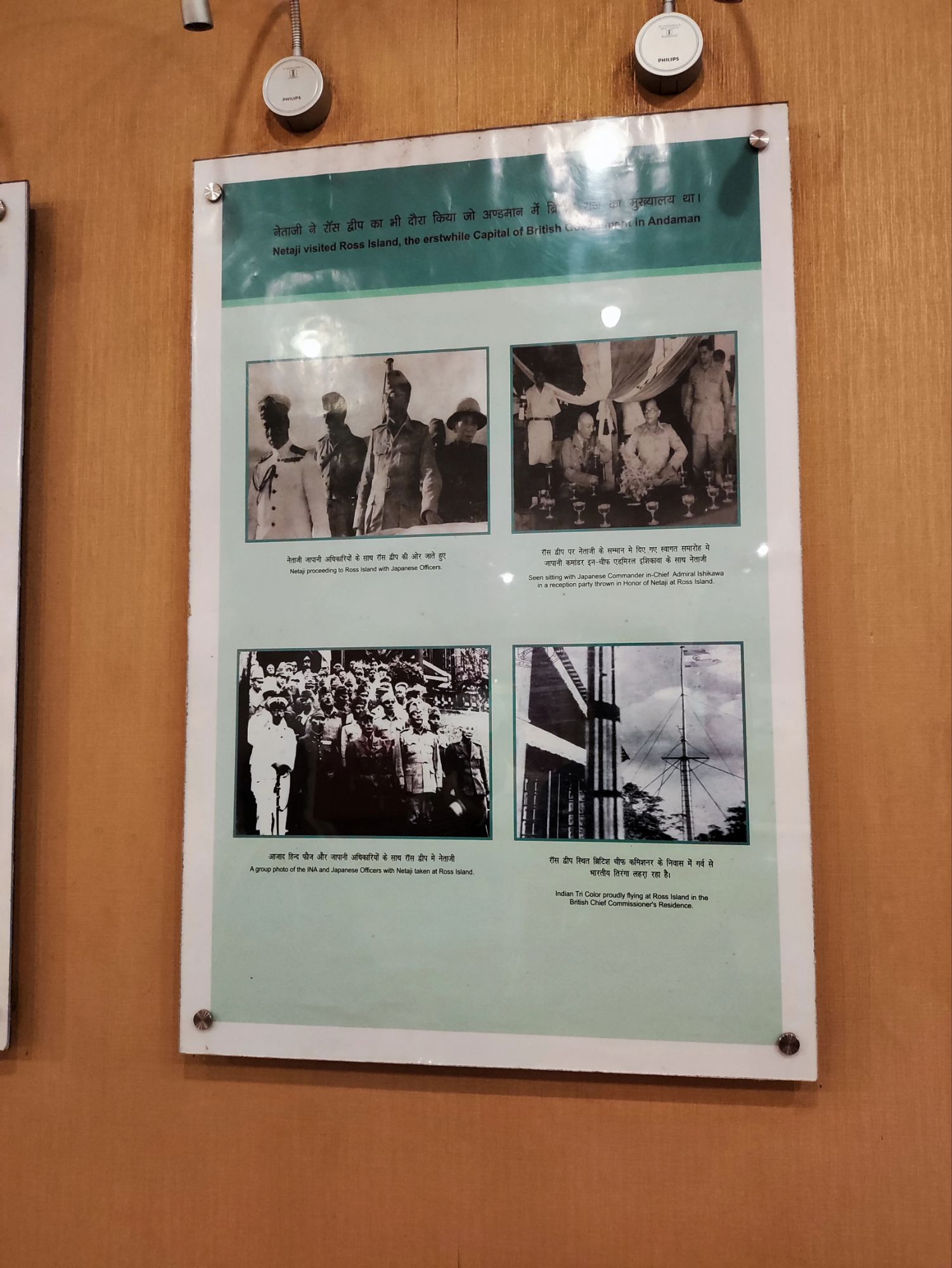
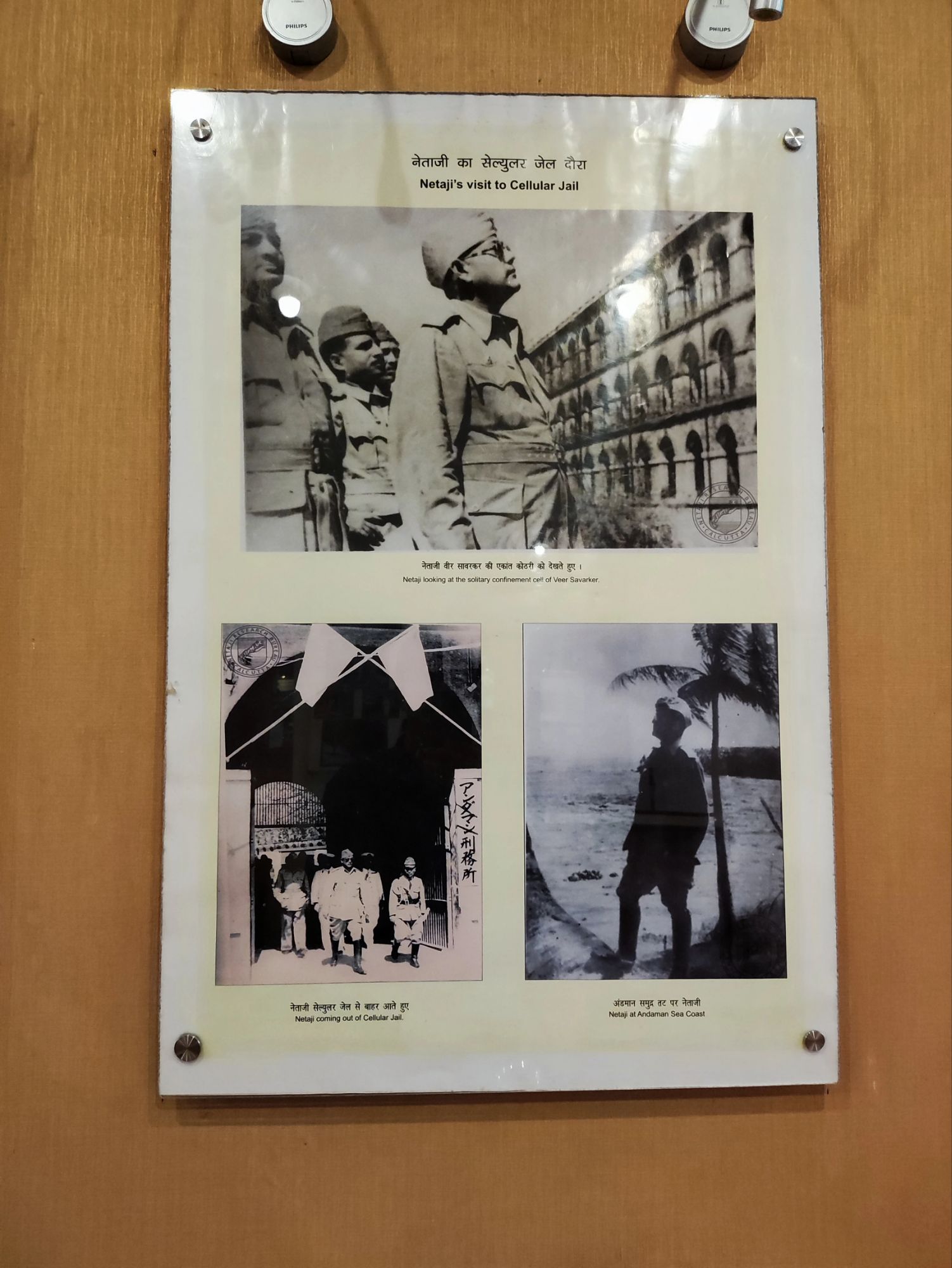
Netaji visiting the Andaman islands and the cellular Jail during Japanese occupation
Visitor Information
- Entry Tickets: Purchase them online for both the jail tour and the light and sound show.
- Visiting Hours: Open from 10:00 AM to 4:30 PM.
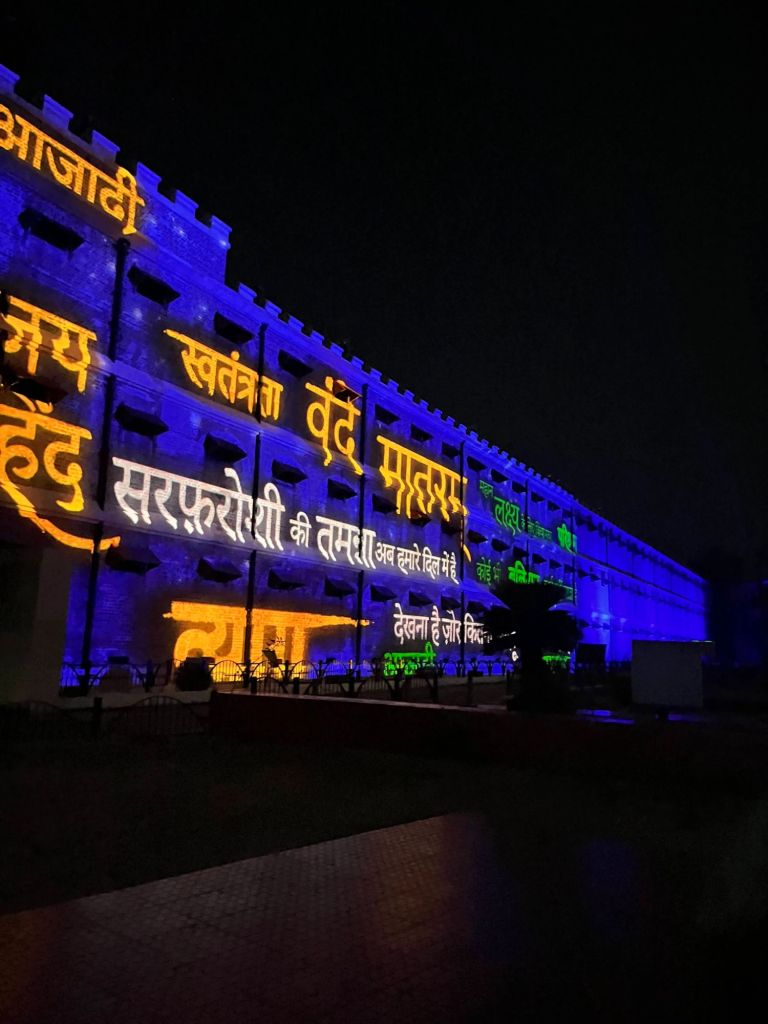
- Light & Sound Show: Daily performances at 5:30 PM, 6:30 PM, and 7:30 PM (each lasting one hour).
- Travel Tip: Plan your visit on the day you arrive in Sree Vijayapuram to comfortably adjust to the local climate.

 A Million Moments
Leave a comment